
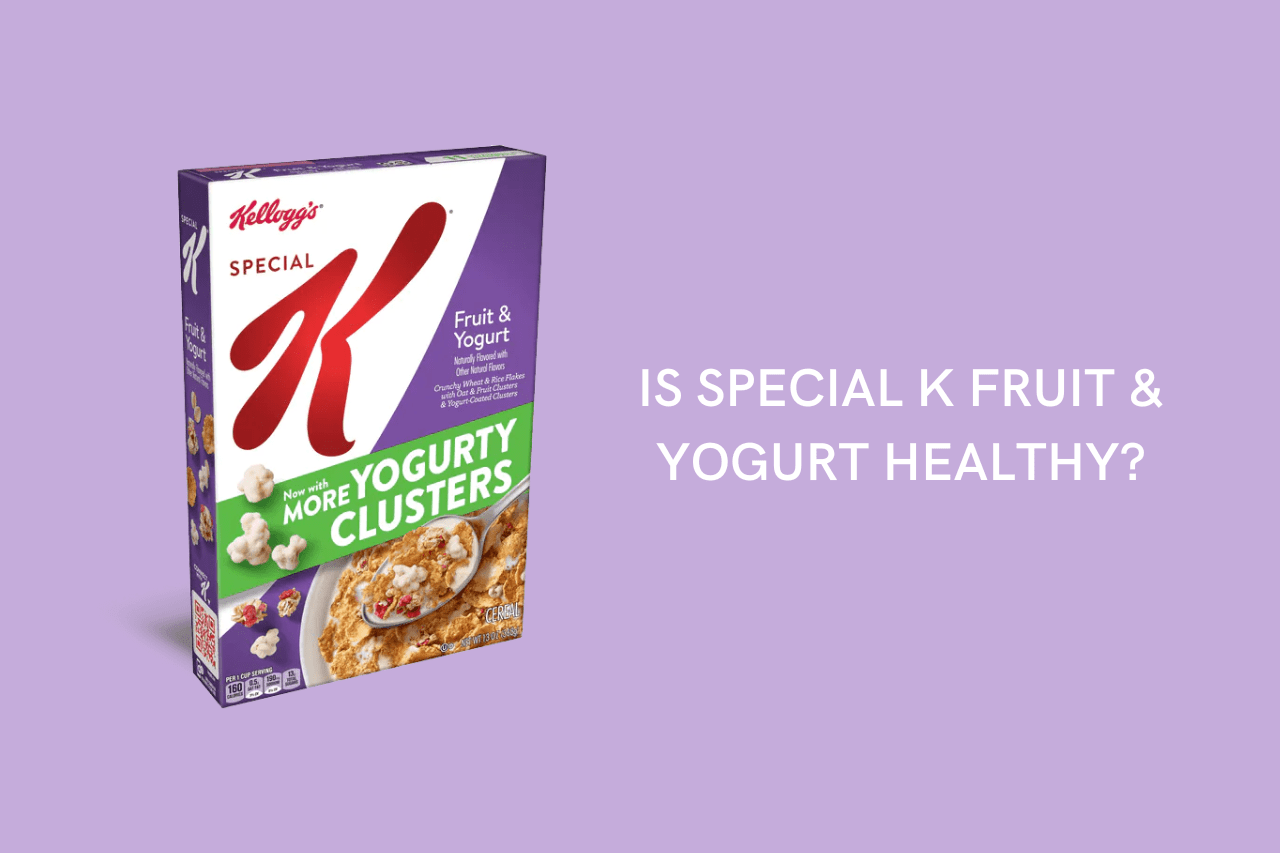
You’re standing in the cereal aisle, eyeing that familiar red box with the tempting fruit chunks and yogurt clusters on the front. It’s Special K – the brand that’s been synonymous with “healthy eating” and weight loss for decades. The fruit and yogurt version looks even better, right? Real fruit, yogurt, whole grains… sounds like a nutritious breakfast.
But then you flip the box over and see the sugar content. Wait, how much?
I had the same reaction when I first really looked at the nutrition label. I’d been grabbing this cereal for years, assuming it was a smart choice because, well, it’s Special K. The brand practically screams “healthy.”
So I decided to dig deep – comparing nutrition labels, researching ingredients, and stacking it up against other cereals to see if Special K Fruit and Yogurt actually deserves its health halo.
Let me share what I discovered, and trust me, some of it surprised even me.
The Bottom Line Up Front
After analyzing the ingredients and nutrition facts, Special K Fruit and Yogurt is not a healthy cereal choice for regular consumption due to its high sugar and sodium content, plus a long list of processed ingredients. However, it does offer some nutritional benefits like protein, fiber, and iron that make it better than skipping breakfast entirely or grabbing a donut.
Think of it as an occasional breakfast option, not your daily go-to.
Now, let me break down exactly what I found.
What’s Actually Inside That Red Box?
The Main Ingredients
When I looked at the ingredient list, Special K Fruit and Yogurt starts with some legitimately good ingredients:
- Whole grain wheat
- Rice
- Whole grain oats
- Wheat bran
So far, so good. Whole grains provide fiber and nutrients – exactly what you want in a breakfast cereal.
But then comes sugar – listed as the third ingredient. That was my first red flag.
The Long List of “Other Stuff”
Here’s where things get interesting. The box also contains (in amounts of 2% or less):
- Corn syrup
- Salt
- Palm kernel oil
- Dried apples
- Brown sugar syrup
- Rice flour
- Nonfat milk
- Nonfat yogurt powder
- Natural flavors
- Modified corn starch
- Molasses
- Honey
- BHT (a preservative)
- Various vitamins and minerals
The good news? No high fructose corn syrup, no artificial flavors, no artificial colors.
The reality? This is still a heavily processed cereal with multiple forms of added sugar (I’ll get to that shocking discovery next).
The Sugar Situation: This Is Where My Jaw Dropped
When I really analyzed the sugar content, I couldn’t believe what I found. This is the biggest issue with Special K Fruit and Yogurt, and it’s something the brand doesn’t exactly advertise on the front of the box.
The Numbers That Shocked Me
One serving (76g) contains 24g of total sugar, with 23g being added sugar.
That’s roughly 6 teaspoons of sugar dumped into a single bowl.
When I compared that to the daily recommendations, I was stunned:
- Men should limit added sugar to 36g per day (AHA recommendation)
- Women should limit added sugar to 24g per day
A single serving of this cereal gives women 100% of their daily sugar limit and men 66% – before lunch, before that afternoon snack, before anything else.
And let’s be honest: when those yogurt clusters are calling your name, most of us don’t stop at the suggested serving size.
How It Compares to Other Cereals (This Surprised Me Most)
I spent hours comparing nutrition labels, and here’s what I found:
| Cereal | Serving Size (g) | Added Sugar (g) | Total Sugar (g) |
|---|---|---|---|
| Special K Fruit & Yogurt | 76 | 23 | 24 |
| Cheerios | 39 | 2 | 2 |
| Honey Bunches of Oats | 42 | 8 | 9 |
| Lucky Charms | 36 | 12 | 12 |
| Cinnamon Toast Crunch | 41 | 12 | 12 |
| Great Grains | 54 | 4 | 13 |
Notice something crazy? Special K Fruit and Yogurt has nearly double the sugar of Lucky Charms – a cereal literally marketed to kids with a cartoon leprechaun and marshmallows.
That’s the irony that blew my mind. The “diet cereal” has more sugar than the sugary kids’ cereal.
Where Does All This Sugar Come From?
When I dug into the ingredient list, I realized the sugar doesn’t just come from the fruit pieces. It comes from:
- Table sugar (the main source)
- Corn syrup
- Brown sugar syrup
- Molasses
- A tiny bit from the dried fruit
Those yogurt clusters you love? They’re basically held together with sugar. Those fruit pieces? Sweetened. The flakes themselves? You guessed it – more sugar.
The Nutritional Bright Spots (Yes, I Found Some)
Before you toss that box in the trash, let me share what this cereal does offer. Not everything about it is bad.
Protein Content: Actually Better Than Expected
Special K Fruit and Yogurt provides 6g of protein per serving from the whole grain wheat, oats, and wheat bran.
On its own, that’s modest. But when I calculated what happens when you add milk (which most people do), you’re looking at 10-12g of protein total – which is actually a decent protein boost for breakfast.
Here’s how the protein stacks up:
| Cereal | Serving Size (g) | Protein (g) |
|---|---|---|
| Special K Fruit & Yogurt | 76 | 6 |
| Cheerios | 39 | 3 |
| Lucky Charms | 36 | 3 |
| Great Grains | 54 | 4 |
| Life Cereal | 42 | 4 |
Can you eat it for muscle building? If you’re working on building muscle, this cereal with milk can be part of your breakfast rotation, but you’ll definitely need additional protein sources like eggs, protein powder, or Greek yogurt throughout the day to hit your targets.
Fiber: One of the Few Real Wins
6g of fiber per serving genuinely impressed me. That’s actually solid for a mainstream cereal.
That’s:
- 28% of the daily recommendation for women
- 20% of the daily recommendation for men
Fiber is crucial because it:
- Helps you feel fuller longer (which helps combat that sugar crash)
- Regulates blood sugar levels
- Supports digestive health
- Can help reduce cholesterol
Honestly, this is probably the cereal’s best nutritional feature.
| Cereal | Serving Size (g) | Fiber (g) |
|---|---|---|
| Special K Fruit & Yogurt | 76 | 6 |
| Cheerios | 39 | 3 |
| Lucky Charms | 36 | 2 |
| Great Grains | 54 | 5 |
| Fiber One (Original) | 54 | 18 |
Iron and Vitamins: Heavy Fortification
20.5mg of iron per serving – that’s over 100% of your daily needs in one bowl.
The cereal is also fortified with:
- Vitamin A
- Vitamin C
- Vitamin D
- Vitamin E
- B vitamins (thiamin, riboflavin, niacin, B6, folate, B12)
My take on this? While fortification helps prevent deficiencies, I’d always prefer getting vitamins from whole foods rather than relying on fortified processed foods. Think of it as a backup, not the ideal solution.
The Sodium Problem I Didn’t Expect
Here’s another issue I discovered that doesn’t get talked about much: 350mg of sodium per serving.
That’s 23% of the ideal daily limit (1,500mg) recommended by the American Heart Association.
For breakfast cereal, that’s surprisingly high. When I thought about it more, I realized:
- You’re probably adding milk (which has sodium)
- Your lunch and dinner will add more
- Any processed snacks throughout the day add even more
| Cereal | Serving Size (g) | Sodium (mg) |
|---|---|---|
| Special K Fruit & Yogurt | 76 | 350 |
| Cheerios | 39 | 190 |
| Honey Bunches of Oats | 42 | 180 |
| Great Grains | 54 | 140 |
| Corn Flakes | 42 | 300 |
If you’re watching your blood pressure or trying to reduce sodium, this cereal isn’t helping your cause.
Can You Eat Special K Fruit and Yogurt for Weight Loss?
This was one of my biggest questions, especially since Special K built its entire reputation on the “Special K Challenge” – that two-week diet plan promising weight loss.
After all my research, here’s my honest answer: This is not an ideal weight loss cereal.
Let me explain why:
The Calorie Count
290 calories per serving is moderate for cereal, but what bothered me when I dug deeper is that many of those calories are “empty” – coming from added sugars and processed ingredients like palm kernel oil and modified corn starch rather than nutrient-dense whole foods.
The Blood Sugar Roller Coaster
From everything I’ve researched about high-sugar breakfasts, they can:
- Cause blood sugar spikes and crashes
- Lead to mid-morning hunger and cravings
- Make you more likely to overeat later in the day
- Trigger energy slumps
The fiber helps somewhat, but it’s fighting an uphill battle against 23g of added sugar.
The Honest Comparison
Yes, Special K Fruit and Yogurt is better for weight loss than:
- Skipping breakfast entirely (which can slow metabolism)
- Grabbing donuts or pastries
- Many other sugar-loaded cereals
But it’s nowhere near as good as:
- Plain oatmeal with fresh fruit
- Greek yogurt with berries and nuts
- Eggs with whole grain toast
- Low-sugar cereals with higher protein
Reality check from my research: Weight loss depends on your overall diet and lifestyle, not just one food. If this cereal fits into your calorie goals and you balance it with nutritious meals the rest of the day, you can still lose weight. But you’re making it harder on yourself.
Should You Eat This Every Day?
Based on everything I’ve researched, no, daily consumption is not a good idea.
Here’s why eating Special K Fruit and Yogurt every morning is problematic:
- You’re burning through your entire daily sugar allowance at breakfast
- The sodium adds up quickly over time
- You’re relying on fortification rather than whole food nutrients
- You’re missing out on more nutrient-dense breakfast options
- Your blood sugar will be on a roller coaster all morning
When It’s Actually Okay to Eat It
I’m not saying you should never touch this cereal again. After all my research, I think there are times when it makes sense:
Acceptable occasions:
- When you’re traveling and options are limited
- As an occasional weekend treat
- When you’re in a rush and it’s this or nothing
- Mixed with a healthier cereal to improve the nutrition profile
- Once or twice a week as part of an otherwise balanced diet
The key? Moderation and being honest with yourself about what you’re eating.
Is Special K Fruit and Yogurt Vegan?
No, this cereal is not vegan.
It contains:
- Nonfat milk
- Nonfat yogurt powder (made from milk)
It’s also not suitable for people with:
- Soy allergies (contains soy lecithin)
- Gluten sensitivity (contains wheat, barley malt)
If you’re looking for a vegan alternative, you’ll want to check out cereals made from oats, rice, or corn without dairy ingredients.
Better Alternatives That Still Taste Good
After comparing dozens of cereals, here are some better options if you want something healthier but still enjoyable:
Healthier Cereal Swaps
Similar texture and convenience:
- Kashi GO Original – 13g protein, 6g fiber, only 6g sugar
- Cheerios (plain) – Low sugar, heart-healthy, add your own fresh fruit
- Grape Nuts – High fiber, low sugar (though I’ll admit, less exciting texture)
- Barbara’s Shredded Wheat – Literally just one ingredient: wheat
Still satisfying but better for you:
- Oatmeal with fresh berries, a drizzle of honey, and chopped nuts
- Plain Greek yogurt with low-sugar granola and fruit
- Homemade overnight oats with chia seeds and cinnamon
How to Make Special K Fruit and Yogurt Healthier
If you already have a box and want to improve its nutrition profile, here’s what I’d suggest:
- Reduce the serving size – Use ½ cup instead of the full serving
- Mix with plain Cheerios – Cuts the sugar while keeping the crunch
- Add fresh fruit instead of relying on the sweetened dried fruit in the cereal
- Use unsweetened almond milk – Reduces overall calories and sugar
- Top with nuts or seeds – Adds healthy fats and protein for better satiety
- Pair with a protein source – A hard-boiled egg on the side balances the meal
The Special K Brand Paradox That Bothered Me
Here’s what frustrated me most during my research: the health halo effect.
For decades, Special K has marketed itself as the “healthy choice” cereal. The brand built its reputation on weight loss challenges and helping people “get their body back.” When you see that red box, your brain automatically thinks “diet food” and “nutritious choice.”
But the Fruit and Yogurt variety is actually one of their least healthy options.
When I compared it to original Special K, I was shocked:
- Original Special K: 4g sugar per serving
- Fruit and Yogurt: 24g sugar per serving
The fruit and yogurt version has 6 times more sugar than the original.
This is classic food marketing at work. The addition of “fruit” and “yogurt” to the name makes it sound healthier and more wholesome, when in reality, it’s just a vehicle for significantly more added sugar.
My Final Thoughts After All This Research
Is Special K Fruit and Yogurt healthy? Based on everything I’ve learned, no, not by modern nutrition standards.
Is it the worst thing you could eat for breakfast? Also no.
Here’s where I landed:
This cereal sits in an awkward middle ground. It’s definitely better than Frosted Flakes or Pop-Tarts, but it’s far from a truly nutritious breakfast. The high sugar content (23g added sugar) and sodium (350mg) are legitimate concerns, especially if you’re eating it regularly.
However, it does offer some value:
- Decent protein (6g, or 10-12g with milk)
- Good fiber content (6g)
- Iron and vitamin fortification
- No artificial colors or flavors
My personal recommendation after all this research: Enjoy it occasionally (once or twice a week max) as a treat, not as your daily breakfast staple.
If you genuinely love this cereal and it brings you joy, don’t feel guilty about having it sometimes. Just be honest with yourself that it’s more of an indulgence than a health food, and balance it with nutritious choices throughout your day.
Better everyday options exist – oatmeal, low-sugar cereals with fresh fruit, Greek yogurt parfaits, or eggs with whole grain toast will serve your health goals better in the long run.
The key to healthy eating isn’t perfection. It’s making informed choices most of the time while still enjoying the foods you love in moderation.
And now you know exactly what you’re getting with that red box of Special K Fruit and Yogurt.
Found this helpful? Check out my other cereal breakdowns: