
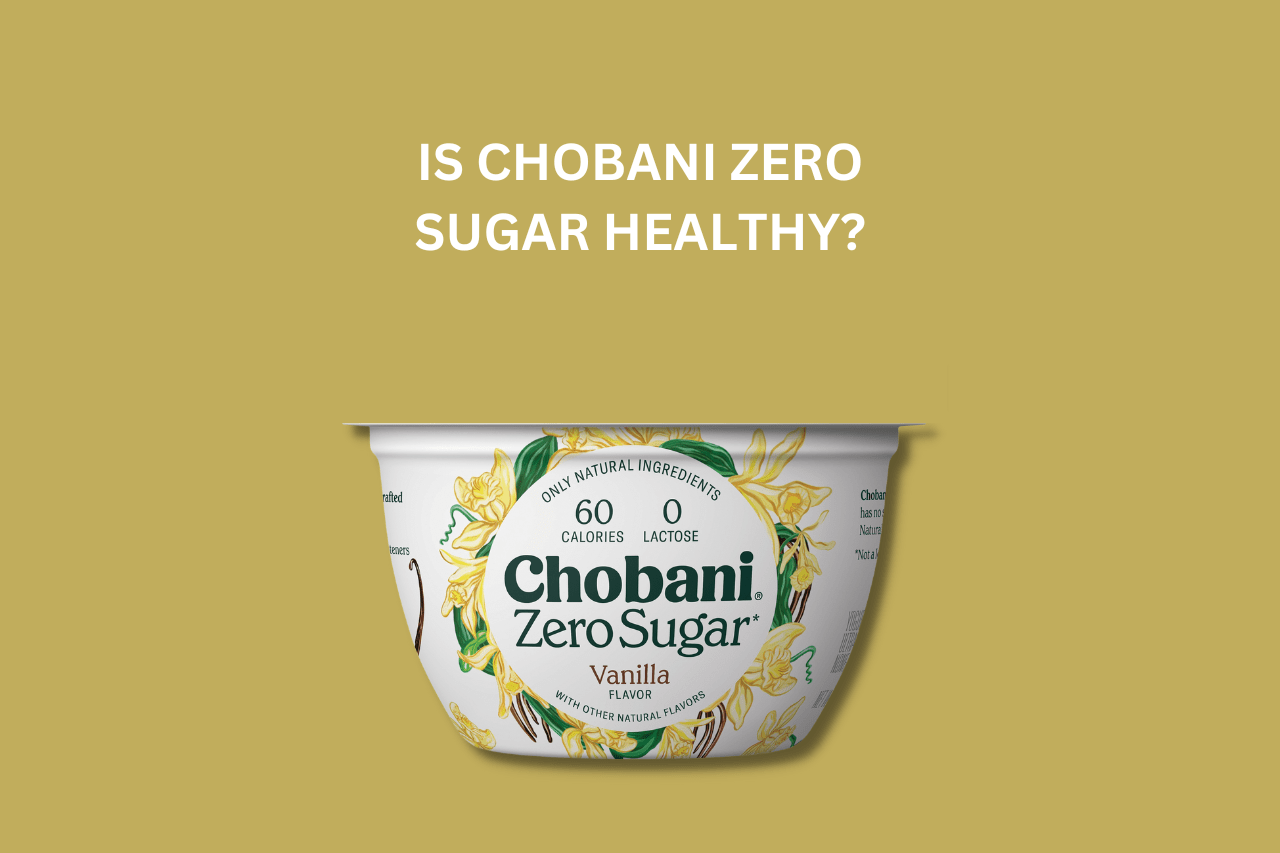
You’re standing in the yogurt aisle, staring at that Chobani cup with the bold “ZERO SUGAR” label plastered across the front. Your brain immediately goes into suspicious mode.
Zero sugar? But it’s sweet? What kind of artificial sweetener nightmare am I about to put in my body?
If you’re on keto, managing diabetes, or just trying to cut sugar, this yogurt looks like a dream come true. But you’ve been burned before by “sugar-free” products that either taste like chemicals or contain sketchy artificial sweeteners.
So the question is: Is Chobani zero sugar actually healthy, or just clever marketing?
I had the exact same skepticism. I’m generally wary of anything that promises “zero” of something but still delivers sweetness. So I did what any rational person would do: I bought every flavor, analyzed the ingredients, researched the sweeteners they use, and compared it to regular yogurt and competitors.
Here’s what I discovered about Chobani Zero Sugar – and some of it genuinely surprised me.
The Bottom Line Up Front
After deep research, Chobani Zero Sugar is genuinely healthy and lives up to its promises. It’s truly sugar-free (using natural sweeteners like allulose, stevia, and monk fruit instead of artificial ones), packs 11g of protein, contains probiotics, and has only 60-70 calories per serving. It’s an excellent choice for diabetics, keto dieters, and anyone reducing sugar intake.
The sweeteners used are natural and well-researched (not the sketchy artificial stuff), and it actually tastes good – no weird chemical aftertaste.
But let me break down exactly what I found, because the devil is in the details.
What’s Actually Inside This “Zero Sugar” Yogurt?
When I first looked at the ingredient list, I expected to see sucralose, aspartame, or some other artificial sweetener that would make me put it back on the shelf.
Instead, I found something different.
The Main Ingredients
Chobani Zero Sugar contains:
- Ultra-filtered nonfat milk
- Water
- Skim milk
- Allulose (natural sweetener)
- Natural flavors
- Tapioca flour
- Citrus fiber
- Vegetable juice concentrate (for color)
- Guar gum (thickener)
- Sea salt
- Stevia leaf extract (natural sweetener)
- Monk fruit extract (natural sweetener)
- Citric acid
- Live and active cultures (probiotics)
What jumped out at me: Three different natural sweeteners (allulose, stevia, monk fruit) instead of artificial ones. This was my first positive surprise.
The Ultra-Filtered Milk Process
Ultra-filtered nonfat milk is the base, which is milk that’s been filtered to:
- Remove lactose (hence the “lactose-free” claim)
- Remove excess water
- Concentrate the protein
- Remove fat
This is why Chobani Zero Sugar has 11g of protein versus regular yogurt’s 5-6g – the filtration process concentrates the protein naturally.
The result: Fat-free yogurt with double the protein of regular yogurt.
The Sweetener Situation: Let’s Talk About What “Zero Sugar” Really Means
This is where I needed to dig deep, because this is what everyone wants to know: If there’s no sugar, what’s making it sweet?
The Three Natural Sweeteners Explained
1. Allulose (4g per serving) – The Main Sweetener
When I first saw “allulose,” I thought, Great, another made-up chemical.
But here’s what I learned:
- Allulose is a rare natural sugar found in small amounts in figs, raisins, and jackfruit
- It’s 70% as sweet as regular sugar
- Here’s the kicker: It contains only 0.4 calories per gram (sugar has 4 calories per gram)
- Your body absorbs it but doesn’t metabolize it for energy
- It doesn’t spike blood sugar – passes through your system mostly unchanged
- FDA recognizes it as safe and doesn’t count it toward “added sugars” on labels
The research: Studies show allulose may actually improve insulin sensitivity and help with blood sugar control. It’s not just “not harmful” – it might be beneficial.
2. Stevia Leaf Extract
Most people have heard of stevia by now. It’s:
- Extracted from the stevia plant
- 200-300 times sweeter than sugar
- Zero calories
- Doesn’t affect blood sugar
The catch: Stevia can have a bitter aftertaste if used alone. That’s why Chobani combines it with allulose and monk fruit – to balance the sweetness profile.
3. Monk Fruit Extract
- Extracted from monk fruit (luo han guo)
- 100-250 times sweeter than sugar
- Zero calories
- Doesn’t affect blood sugar
- No bitter aftertaste (unlike stevia alone)
The genius of Chobani’s formula: By combining all three sweeteners, they avoid the downsides of using any one sweetener alone. Allulose provides bulk and texture (since it’s 4g per serving), while stevia and monk fruit boost sweetness without adding calories or aftertaste.
Why This Matters
The sweeteners in Chobani Zero Sugar are:
- ✅ Natural (not artificial like aspartame or sucralose)
- ✅ Well-researched and FDA-approved
- ✅ Don’t spike blood sugar
- ✅ Don’t have the health concerns of artificial sweeteners
- ✅ Actually taste good (no chemical aftertaste)
For comparison, what they’re NOT using:
- ❌ Aspartame (controversial artificial sweetener)
- ❌ Sucralose/Splenda (artificial)
- ❌ Acesulfame potassium (artificial)
- ❌ Saccharin (artificial)
This was a huge relief for me. I avoid artificial sweeteners, but I’m comfortable with the natural ones used here.
The Nutritional Breakdown: What You’re Actually Getting
Let me break down what one 5.3oz (150g) serving of Chobani Zero Sugar provides:
Calories: 60-70 (depending on flavor)
Total Carbohydrates: 5-6g
Sugar: 0g
Allulose: 4g (listed separately, not counted as sugar)
Protein: 11g
Fat: 0g
Sodium: 60-65mg
Calcium: 15% of Daily Value
Live & Active Cultures: Yes (probiotics)
What Impressed Me
11g of protein – That’s double what you get in regular yogurt (5-6g). For a 60-calorie snack, that’s an excellent protein-to-calorie ratio.
Only 5g total carbs – Perfect for keto (most people stay under 20-50g carbs per day on keto). This easily fits.
Zero sugar, genuinely – Not “low sugar.” Actual zero. And it still tastes sweet and satisfying.
Minimal sodium – 60-65mg is only 4% of the ideal daily limit. Great for anyone watching salt intake.
Probiotics included – Live cultures like L. Acidophilus, Bifidus, and L. Casei support gut health.
The Protein Comparison
| Yogurt Brand | Serving (g) | Protein (g) |
|---|---|---|
| Chobani Zero Sugar | 150 | 11 |
| Yoplait Original | 225 | 5-6 |
| GoGo Squeez Yogurtz | 85 | 4 |
| Noosa | 227 | 11-13 |
| Regular Chobani | 150 | 15-17 |
The reality: Chobani Zero Sugar has more protein than most yogurts, though slightly less than regular full-fat Chobani Greek yogurt (which has 15-17g).
Chobani Zero Sugar vs Regular Chobani: Should You Switch?
This is the comparison everyone wants to see:
| Nutrient | Chobani Zero Sugar | Regular Chobani Greek (Plain, Nonfat) |
|---|---|---|
| Calories | 60-70 | 100 |
| Protein | 11g | 17g |
| Sugar | 0g | 6g (natural from milk) |
| Carbs | 5g | 9g |
| Fat | 0g | 0g |
What I noticed:
Regular Chobani has MORE protein (17g vs 11g) – The ultra-filtration removes some protein along with lactose.
Regular Chobani has natural sugar from milk (6g) – This is lactose, the natural milk sugar. Not added sugar, but still sugar that affects blood glucose.
Zero Sugar has fewer calories (60-70 vs 100) – Better for weight loss.
Zero Sugar has fewer carbs (5g vs 9g) – Better for keto.
Who Should Choose Which?
Choose Chobani Zero Sugar if you:
- Are on keto or low-carb diet (5g carbs vs 9g)
- Have diabetes or managing blood sugar
- Want to minimize all sugar (even natural)
- Are counting calories strictly (60 vs 100)
- Are lactose intolerant (truly lactose-free)
Choose Regular Chobani if you:
- Want maximum protein (17g vs 11g)
- Don’t mind natural milk sugar
- Prefer no sweeteners at all (even natural ones)
- Want the classic Greek yogurt taste
- Aren’t concerned about carbs
My take: For most people focused on health (not specific diets), regular plain Greek yogurt is slightly better due to higher protein. But if you’re keto, diabetic, or cutting all sugar, Zero Sugar is the clear winner.
How Does It Compare to Other Zero/Low Sugar Yogurts?
I compared Chobani Zero Sugar to its main competitors:
Chobani Zero Sugar vs Two Good
| Nutrient | Chobani Zero Sugar | Two Good |
|---|---|---|
| Calories | 60-70 | 80 |
| Protein | 11g | 12g |
| Sugar | 0g | 2g |
| Carbs | 5g | 3g |
Two Good uses ultra-filtration too and has slightly more protein (12g) but contains 2g of sugar (natural milk sugar). Also uses stevia and allulose.
Winner: Depends on your goal. Chobani has absolutely zero sugar; Two Good has 1g more protein.
Chobani Zero Sugar vs Oikos Triple Zero
| Nutrient | Chobani Zero Sugar | Oikos Triple Zero |
|---|---|---|
| Calories | 60-70 | 100 |
| Protein | 11g | 15g |
| Sugar | 0g | 0g |
| Carbs | 5g | 6g |
Oikos Triple Zero has more protein (15g) but also more calories (100). Uses stevia for sweetness.
Winner: Oikos if you want max protein; Chobani if you want minimal calories.
Chobani Zero Sugar vs Fage Total 0%
| Nutrient | Chobani Zero Sugar | Fage Total 0% (Plain) |
|---|---|---|
| Calories | 60-70 | 100 |
| Protein | 11g | 18g |
| Sugar | 0g | 7g (natural) |
| Carbs | 5g | 9g |
Fage is plain, unsweetened Greek yogurt – maximum protein (18g) but contains natural milk sugar.
Winner: Fage for pure nutrition and protein; Chobani for sweet taste with zero sugar.
Does It Actually Taste Good? (The Honesty Section)
Let’s address the elephant in the room: Does zero-sugar yogurt taste like sad diet food?
I tried most flavors. Here’s my honest assessment:
Flavor Ranking (Best to Worst)
1. Vanilla – Tastes remarkably close to regular vanilla yogurt. Slightly less creamy than full-fat, but the sweetness is balanced. No weird aftertaste.
2. Strawberry – Good strawberry flavor, not overly artificial. The fruit pieces help with texture.
3. Blueberry – Real blueberry taste, though a bit more artificial-tasting than strawberry.
4. Peach – Decent peach flavor. Slightly chemical finish if you’re sensitive to stevia.
5. Black Cherry – Tastes fine but the cherry flavor is a bit artificial.
The Texture
Not as thick as full-fat Greek yogurt – Because it’s nonfat and ultra-filtered, it’s less creamy than regular Chobani. Still decent texture, but noticeably thinner.
Better than most zero-sugar options – Compared to other diet yogurts, Chobani’s texture is good.
The Aftertaste Question
Is there a stevia aftertaste? Slightly, but it’s minimal. The combination of allulose + stevia + monk fruit masks the bitterness that stevia alone would have.
If you’re extremely sensitive to stevia, you might notice a faint aftertaste. But it’s WAY better than products that use stevia alone.
Is Chobani Zero Sugar Good for Specific Goals?
For Weight Loss
Chobani Zero Sugar is excellent for weight loss:
- Only 60-70 calories per serving – extremely low for a satisfying snack
- 11g protein – helps you feel full and preserves muscle during weight loss
- Zero sugar – won’t trigger cravings or blood sugar crashes
- High protein-to-calorie ratio – more than 50% of calories from protein
How I’d use it for weight loss:
- Breakfast with berries and a sprinkle of granola
- Mid-afternoon snack to curb hunger
- Post-workout protein source
- Dessert replacement (add cocoa powder + vanilla for “chocolate mousse”)
For Diabetes
Chobani Zero Sugar is one of the BEST yogurt choices for diabetics:
- Zero sugar – won’t spike blood glucose
- Low carbs (5g) – minimal impact on blood sugar
- Natural sweeteners (allulose, stevia, monk fruit) don’t affect insulin
- Research shows allulose may improve insulin sensitivity
- High protein helps stabilize blood sugar
The evidence: Studies on allulose show it doesn’t raise blood glucose and may actually help with glycemic control.
For Keto
Chobani Zero Sugar is perfectly keto-friendly:
- 5g net carbs – easily fits into daily keto macros (20-50g carbs)
- 11g protein – supports muscle maintenance
- 0g fat – leaves room for healthy fats from other sources
- Zero sugar – won’t kick you out of ketosis
Keto tip: Add MCT oil, chia seeds, or almond butter for healthy fats to make it a complete keto meal.
For Probiotics and Gut Health
Yes, it contains live and active cultures:
- S. Thermophilus
- L. Bulgaricus
- L. Acidophilus
- Bifidus
- L. Casei
- L. Rhamnosus
These probiotics support:
- Digestive health
- Immune function
- Gut microbiome balance
- Reduced inflammation
The good news: The ultra-filtration process doesn’t kill the probiotics – they’re added after processing.
Addressing Common Concerns and Questions
“Is Allulose Safe?”
Yes, based on current research:
- FDA granted allulose GRAS (Generally Recognized As Safe) status
- Multiple studies show it’s safe for human consumption
- May actually have metabolic benefits (improved insulin sensitivity)
- No known serious side effects in normal amounts
Potential downside: Some people experience digestive discomfort (gas, bloating) if they consume large amounts (20g+). At 4g per serving, Chobani is well below this threshold.
“The Label Says Lactose-Free, But It Contains Milk?”
This confused me too. Here’s the explanation:
The ultra-filtration process removes most lactose from the milk. While the ingredient list shows “skim milk,” the lactose has been filtered out.
For people with lactose intolerance: Most can tolerate this yogurt without issues. But if you have severe lactose intolerance or dairy allergy, test cautiously or avoid.
“Is It Really Dairy-Free?”
No, Chobani Zero Sugar is NOT dairy-free. It’s made from milk (ultra-filtered nonfat milk and skim milk).
It IS lactose-free (lactose removed through filtration), but it’s still dairy.
If you need dairy-free yogurt, look for coconut, almond, or oat-based yogurts.
“Are Natural Sweeteners Better Than Sugar?”
For blood sugar and calories: Yes.
Allulose, stevia, and monk fruit don’t spike blood glucose like sugar does, and they contain minimal to zero calories.
For overall health: Debatable.
Some people prefer to avoid all sweeteners (even natural) and just eat unsweetened plain yogurt. That’s valid. But if you’re going to eat sweetened yogurt, natural sweeteners are better than added sugar.
The Downsides (Let’s Be Honest)
Nothing is perfect. Here are the legitimate downsides:
1. Less protein than regular Greek yogurt (11g vs 15-17g) – The ultra-filtration removes some protein along with lactose.
2. Not as creamy – Nonfat yogurt is inherently less creamy than full-fat. If you love thick, rich yogurt, this won’t compare.
3. Contains sweeteners – Even though they’re natural, some people prefer completely unsweetened yogurt. If that’s you, stick with plain Fage or plain Chobani.
4. Possible digestive effects from allulose – Some people experience mild gas or bloating from allulose in larger amounts (though 4g is a small dose).
5. More expensive – Zero sugar yogurt costs more than regular yogurt.
My Final Verdict After All This Research
Is Chobani Zero Sugar healthy? Yes, genuinely yes.
After all my research, I was pleasantly surprised. This isn’t a “diet food trick” with sketchy artificial sweeteners. It’s a legitimately well-formulated product using natural sweeteners that are backed by research.
What I appreciate:
- Uses natural sweeteners (allulose, stevia, monk fruit) instead of artificial ones
- Actually delivers on the zero sugar promise
- Good protein content (11g)
- Low calories (60-70)
- Contains probiotics
- Keto and diabetic-friendly
- Tastes good (not amazing, but genuinely good)
What could be better:
- Slightly less protein than regular Greek yogurt
- Could be creamier (but that’s a nonfat issue, not specific to this product)
- Some flavors have mild stevia aftertaste
Who should buy this:
✅ Perfect for:
- Keto dieters (5g carbs)
- People with diabetes (zero sugar, low glycemic impact)
- Anyone cutting sugar from their diet
- Weight loss (60 calories, 11g protein)
- Lactose-intolerant individuals
- People who want sweet yogurt without the sugar crash
❌ Skip if you:
- Want maximum protein (get regular Greek yogurt with 17-18g)
- Prefer completely unsweetened yogurt
- Want full-fat creaminess
- Are extremely sensitive to stevia aftertaste
- Need dairy-free options
My personal take: I keep both regular Chobani Greek yogurt AND Zero Sugar in my fridge. I use regular when I want maximum protein (post-workout), and I use Zero Sugar when I want a sweet snack that won’t spike my blood sugar or use up my daily sugar budget.
If you’re skeptical of “zero sugar” products like I was, Chobani did this one right. The sweeteners are natural and well-researched, the nutrition is solid, and it actually tastes good.
It’s not perfect, but it’s one of the healthiest yogurt options available – especially if you’re managing blood sugar or cutting carbs.
Found this helpful? Check out my other yogurt and healthy food analyses: