

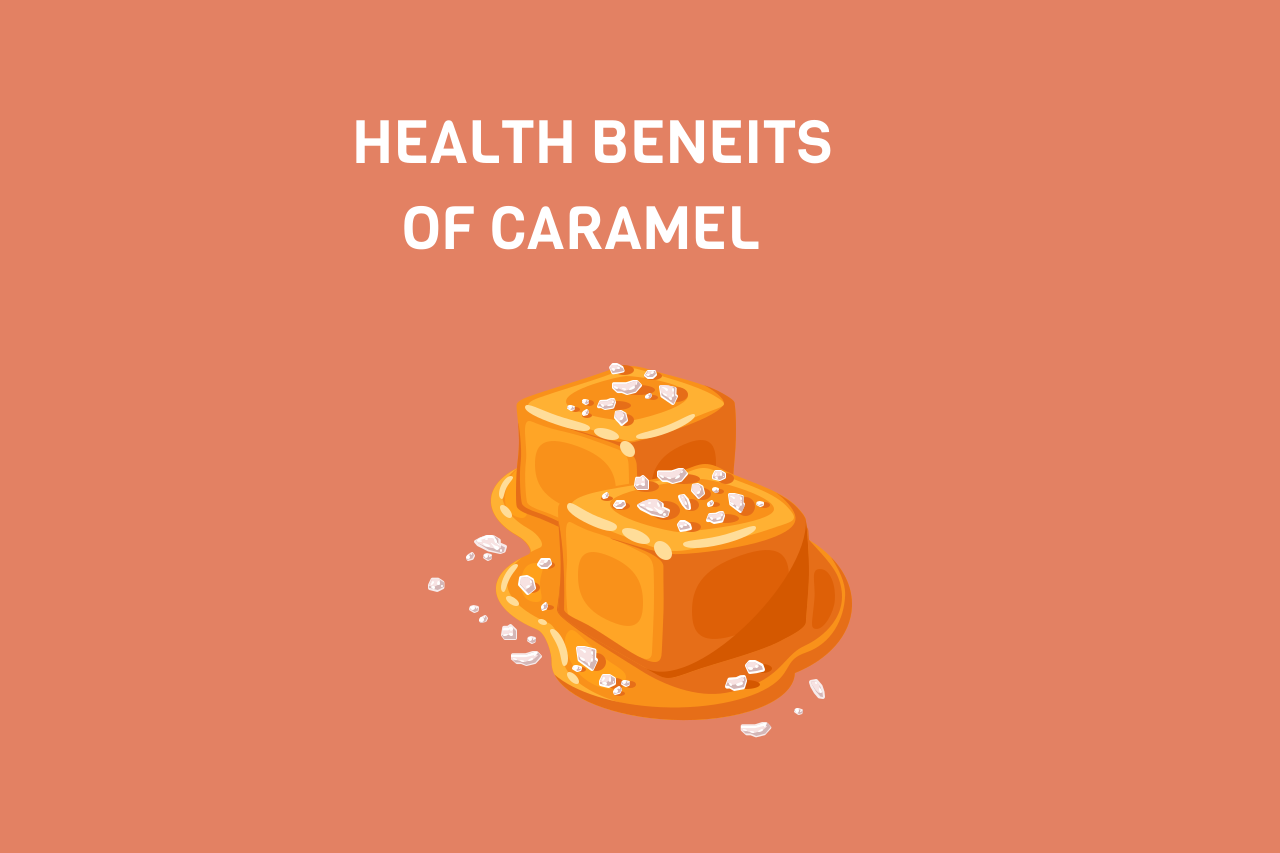
You’re searching for “benefits of caramel,” and I think I know why.
Maybe you love caramel lattes. Maybe you can’t resist salted caramel ice cream. Or maybe you’re hoping to find some scientific justification for that caramel habit you can’t quite kick.
You want someone to tell you that caramel isn’t so bad. That maybe—just maybe—there’s something redeeming about this sweet, buttery indulgence beyond the fact that it tastes absolutely incredible.
Well, let me be honest with you from the start: caramel is essentially cooked sugar. If you’re expecting me to tell you it’s a health food, you’re going to be disappointed.
But here’s what I can tell you: there are some genuinely interesting scientific findings about caramel (particularly around antioxidants), and there are smarter ways to enjoy it if you love the flavor. Not all caramel is created equal, and understanding the differences can help you make better choices.
So let’s dig into what caramel actually is, what the research really says about any potential benefits, and how to enjoy it without completely sabotaging your health goals.
What Exactly Is Caramel?
Before we talk about benefits, let’s get clear on what we’re actually discussing.
Caramel is made by heating sugar (usually granulated white sugar or cane sugar) to around 320-350°F (160-177°C). At this temperature, the sugar melts, breaks down, and undergoes a chemical transformation called caramelization.
During caramelization, the sugar molecules break apart and recombine into hundreds of new compounds. This creates:
- That distinctive golden-brown to dark amber color
- Rich, complex flavor (sweet, slightly bitter, toasty)
- Aromatic compounds that smell incredible
Basic caramel is just cooked sugar and water.
Caramel sauce typically includes:
- Sugar (the base)
- Butter or cream (adds richness)
- Vanilla extract (flavor)
- Salt (balances sweetness, especially in salted caramel)
Caramel candy might include:
- Corn syrup (prevents crystallization)
- Condensed milk (creates chewy texture)
- Additional flavorings
So when we talk about “benefits of caramel,” we need to specify: are we talking about pure caramelized sugar, caramel sauce with cream and butter, or commercial caramel candy loaded with corn syrup and additives?
The answer matters, because the nutritional profile changes dramatically.
The Science: Does Caramel Have Any Real Benefits?
Let’s look at what research actually says, without the marketing spin.
1. Antioxidants from Caramelization (The Most Interesting Finding)
Here’s the one genuinely interesting scientific finding about caramel:
The caramelization process creates antioxidant compounds.
When sugar is heated to high temperatures, a series of complex chemical reactions called Maillard reactions and caramelization reactions occur. These produce compounds called melanoidins—brown pigments with antioxidant properties.
What research shows:
A study published in the Journal of Agricultural and Food Chemistry found that caramelized sugar does contain antioxidants, and the darker the caramel (meaning higher degree of caramelization), the higher the antioxidant content.
Another study compared the antioxidant capacity of various foods and found that dark caramel had measurable antioxidant activity—though significantly less than foods like berries, dark chocolate, or green tea.
Here’s the reality check:
Yes, caramel contains some antioxidants. But let’s put this in perspective:
- Dark chocolate (70%+ cacao): Very high antioxidants + beneficial compounds
- Blueberries: Extremely high antioxidants + fiber + vitamins
- Green tea: High antioxidants + beneficial polyphenols
- Caramel: Minimal antioxidants + massive sugar load
Eating caramel for antioxidants is like smoking cigarettes for the appetite suppression. Technically there’s an effect, but the downsides completely outweigh any benefit.
The verdict: Caramel does contain some antioxidants from the caramelization process, but this doesn’t make it healthy. The sugar content far outweighs any antioxidant benefit.
2. Quick Energy from Carbohydrates (Not Really a “Benefit”)
Some sources list “high in carbohydrates” as a benefit of caramel.
Let’s be clear: this is not a benefit for most people.
Caramel contains approximately 77g of carbohydrates per 100g, nearly all of which is sugar. This provides quick energy, yes—but it’s the same quick energy (followed by a crash) you’d get from eating spoonfuls of white sugar.
When high-carb might matter:
- Endurance athletes during long races might use quick-absorbing carbs for energy
- People with hypoglycemia experiencing low blood sugar need fast-acting glucose
- In emergency situations where quick calories are needed
For 99% of people in normal daily life, caramel’s high sugar content is a drawback, not a benefit.
The verdict: High carbs from pure sugar is not a health benefit. It’s just… sugar.
3. Sodium Content (Also Not a Benefit)
Some articles claim caramel is a “good source of sodium” with about 343mg per 100g.
Let’s break this down:
Most people get TOO MUCH sodium, not too little. The average American consumes around 3,400mg daily when the recommended limit is 2,300mg (and ideally 1,500mg for optimal health).
Unless you’re:
- An endurance athlete losing massive amounts of salt through sweat
- Someone with specific medical conditions causing low sodium
- Eating an extremely restrictive diet
…you do NOT need additional sodium from caramel.
The verdict: High sodium is not a benefit. For most people, it’s a concern.
4. Gluten-Free (Legitimately True, but Not Unique)
Pure caramel made from sugar, water, cream, and butter is naturally gluten-free.
This is helpful if you have:
- Celiac disease
- Non-celiac gluten sensitivity
- Gluten intolerance
However, commercially produced caramel candies and sauces may contain gluten from additives or cross-contamination. Always check labels if you’re strictly gluten-free.
The verdict: Yes, pure caramel is gluten-free. But so are thousands of other foods. This isn’t really a “health benefit”—it’s just a dietary fact.
5. Melanoidins for Skin Health (Extremely Weak Claim)
Some sources claim caramel is “good for your skin” because melanoidins (the brown compounds from caramelization) have antioxidant and antibacterial properties.
The reality:
While melanoidins do have some interesting properties in laboratory studies, there’s virtually no evidence that eating caramel improves skin health.
Melanoidins in caramel-colored skincare products are different from dietary consumption. And even if some antioxidants reached your skin through diet, you’d get far more benefit from:
- Vitamin C from citrus fruits
- Vitamin E from nuts and seeds
- Antioxidants from berries
- Collagen-supporting nutrients from bone broth or protein
The verdict: This claim is extremely weak and not supported by meaningful evidence. Don’t eat caramel for skin benefits.
The Downsides of Caramel (What You Really Need to Know)
Now let’s talk about the actual concerns with regular caramel consumption.
Very High in Sugar
Caramel sauce contains approximately 66g of sugar per 100g (66% sugar by weight).
For context:
- 2 tablespoons of caramel sauce ≈ 20-25g sugar
- American Heart Association daily limit: 25g for women, 36g for men
- One generous drizzle on your ice cream can max out your daily sugar limit
What excess sugar does:
- Spikes blood glucose and insulin levels
- Promotes fat storage (especially visceral belly fat)
- Increases inflammation throughout your body
- Raises triglycerides and heart disease risk
- Contributes to insulin resistance and type 2 diabetes
- Feeds harmful gut bacteria
High in Calories with Minimal Nutrition
Caramel provides approximately 382 calories per 100g with virtually no protein, fiber, vitamins, or minerals.
These are classic “empty calories”—they add to your daily intake without providing any nutritional value.
Comparison to nutrient-dense sweets:
| Food (100g) | Calories | Protein | Fiber | Key Nutrients |
|---|---|---|---|---|
| Caramel sauce | 382 | 0-1g | 0g | None |
| Dark chocolate (70%) | 598 | 8g | 11g | Iron, magnesium, antioxidants |
| Dates | 282 | 2.5g | 8g | Potassium, B vitamins, fiber |
| Honey | 304 | 0.3g | 0.2g | Trace minerals, enzymes |
Even among sweet treats, caramel provides the least nutritional value.
Terrible for Dental Health
Caramel is a dentist’s nightmare because it’s:
- Sticky – Clings to teeth for extended periods
- High in sugar – Feeds bacteria that produce tooth-damaging acid
- Acidic – The caramelization process creates acidic compounds
This combination creates perfect conditions for:
- Tooth decay and cavities
- Enamel erosion
- Gum disease
Sticky candies like caramels are considered among the worst for dental health—worse than chocolate, which melts away more quickly.
Can Trigger Blood Sugar Crashes
Pure caramel (almost entirely sugar) causes:
- Rapid blood sugar spike within 15-30 minutes
- Massive insulin release to handle the glucose
- Blood sugar crash 1-2 hours later
- Hunger and cravings for more sugar
This creates a vicious cycle that makes it hard to control portions and can lead to overeating throughout the day.
Not Suitable for Certain Conditions
Caramel should be avoided or strictly limited if you have:
- Diabetes or prediabetes – Blood sugar impact is severe
- Insulin resistance or metabolic syndrome
- PCOS – High sugar worsens hormonal issues
- Candida overgrowth – Sugar feeds yeast
- Active weight loss goals – Empty calories sabotage progress
- Dental issues – Sticky texture worsens decay
Different Types of Caramel: Which Is “Healthiest”?
Not all caramel is created equal. Here’s how different versions compare:
Homemade Caramel Sauce
Ingredients: Sugar, butter, heavy cream, vanilla, salt
Pros:
- You control ingredients and quality
- No corn syrup or additives
- Can reduce sugar slightly
- Can use high-quality butter (grass-fed)
Cons:
- Still very high in sugar (50-60g per 100g)
- High in calories
- High in saturated fat from butter and cream
Best use: Occasional homemade treat, small drizzle on special desserts
Salted Caramel
Ingredients: Same as regular caramel + sea salt
Pros:
- Salt balances sweetness (may help you eat less)
- Slightly more complex flavor
- May contain trace minerals if using quality sea salt
Cons:
- Same sugar content as regular caramel
- Added sodium (concern for those watching salt)
- Still empty calories
Best use: When you want richer flavor with smaller portion
Store-Bought Caramel Sauce
Ingredients: Corn syrup, sugar, milk, butter, vanilla, preservatives
Pros:
- Convenient
- Consistent flavor
- Long shelf life
Cons:
- Often contains corn syrup (worse than regular sugar)
- May include artificial flavors
- Preservatives and stabilizers
- Usually lowest quality ingredients
Best use: Occasional convenience option (not ideal)
Caramel Candies (Hard or Chewy)
Ingredients: Sugar, corn syrup, milk, butter, salt
Pros:
- Portion-controlled (individual pieces)
- Long shelf life
- Satisfies sweet craving
Cons:
- Extremely sticky (worst for teeth)
- Often contains corn syrup
- Easy to mindlessly eat multiple pieces
- High sodium (100-150mg per piece)
Best use: Rare treat, one piece maximum
Date Caramel (Healthier Alternative)
Ingredients: Medjool dates, water or milk, vanilla, salt
Pros:
- Natural sweetness from dates
- Contains fiber (3-4g per serving)
- Provides minerals (potassium, magnesium)
- No refined sugar
- Antioxidants from dates
Cons:
- Still high in natural sugar
- Calorie-dense
- Won’t taste exactly like traditional caramel
- Requires preparation
Best use: Healthiest “caramel-like” option for regular use
Sugar-Free Caramel
Ingredients: Sugar alcohols (erythritol, xylitol) or artificial sweeteners, butter, cream
Pros:
- Very low sugar or sugar-free
- Low calorie (compared to regular)
- Won’t spike blood sugar
Cons:
- May cause digestive issues (sugar alcohols)
- Different taste than real caramel
- Can trigger sweet cravings
- Some people react poorly to artificial sweeteners
Best use: For diabetics or strict low-carb dieters who really miss caramel
Caramel vs. Other Sweet Treats: How Does It Compare?
If you’re going to indulge in something sweet, where does caramel rank?
Caramel vs. Dark Chocolate
Dark Chocolate (70%+ cacao) wins decisively:
- Higher antioxidants (flavonoids)
- Contains beneficial minerals (magnesium, iron)
- Some protein and fiber
- May improve heart health and cognitive function
- Less sugar per serving
Verdict: If you’re choosing between caramel and quality dark chocolate, choose dark chocolate every time.
Caramel vs. Honey
Honey has slight advantages:
- Contains trace enzymes and minerals
- Some antimicrobial properties
- Antioxidants (especially in darker honey)
- May soothe coughs and sore throats
However:
- Still very high in sugar
- Calories are similar
- Both should be limited
Verdict: Honey is marginally better, but not by much. Both are primarily sugar.
Caramel vs. Maple Syrup
Maple syrup has slight advantages:
- Contains minerals (manganese, zinc)
- Antioxidants (especially darker grades)
- Some anti-inflammatory compounds
- Less processed than caramel
However:
- Still 67% sugar
- Similar calorie content
- Easy to over-consume
Verdict: Real maple syrup (not pancake syrup) is slightly better than caramel due to minerals and antioxidants.
Caramel vs. Regular Candy
Compared to hard candy, gummy bears, or jellybeans:
- About the same nutritionally (all are sugar)
- Caramel is worse for teeth (stickier)
- Hard candy lasts longer (may satisfy with less)
Verdict: All candy is essentially sugar. Caramel is particularly bad for teeth due to stickiness.
When Is It Okay to Enjoy Caramel?
Look, I’m not here to tell you to never eat caramel again. Life needs sweetness—both literally and figuratively.
When caramel makes sense:
✅ Special occasions – Birthday cakes, holiday desserts, celebrations (few times per year)
✅ Small portions – A light drizzle (1 tablespoon max), not drowning your dessert
✅ Truly savoring it – When you’re sitting down, eating mindfully, and really enjoying it
✅ Homemade versions – You control ingredients and quality
✅ Social situations – Shared dessert with friends once in a while
When you should skip caramel:
❌ Daily habit or even weekly consumption
❌ Large portions (multiple tablespoons)
❌ Straight from the jar with a spoon
❌ When you have diabetes or blood sugar issues
❌ When you’re trying to lose weight
❌ As a “healthy” choice because of supposed benefits
❌ Late at night (blood sugar spike before bed is terrible)
❌ When you have active dental issues
Smart ways to enjoy caramel occasionally:
- Make it yourself – Control ingredients and reduce sugar by 25%
- Pair with protein – Caramel apple with almond butter moderates blood sugar
- Choose salted caramel – Salt helps you eat less
- Limit to 1 tablespoon – Measure it, don’t pour freely
- Save for truly special moments – Not every dessert needs caramel
- Try date caramel – Healthier alternative that still satisfies
Healthier Alternatives to Satisfy Caramel Cravings
If you love caramel flavor but want better options:
1. Date Caramel (Homemade)
How to make:
- Soak 1 cup Medjool dates in hot water for 10 minutes
- Blend with 1/4 cup water, pinch salt, 1 tsp vanilla
- Add almond milk to thin if needed
Benefits:
- Natural sweetness
- 3-4g fiber per serving
- Minerals (potassium, magnesium)
- Antioxidants from dates
- Caramel-like flavor and texture
2. Salted Caramel Protein Shake
How to make:
- Vanilla protein powder + almond milk + ice
- 1 tsp caramel extract (sugar-free)
- Pinch of sea salt
- Optional: 1 Medjool date for natural sweetness
Benefits:
- 20-30g protein
- Satisfies sweet craving
- Actually filling
- Minimal sugar
3. Caramel-Flavored Coffee or Tea
How to make:
- Sugar-free caramel syrup in coffee/tea
- Or: blend coffee with date + vanilla + salt
Benefits:
- Caramel flavor with minimal calories
- Can be made without sugar
- Satisfying ritual
4. Roasted Sweet Potato with Cinnamon
How to make:
- Roast sweet potato until caramelized
- Sprinkle with cinnamon and tiny pinch salt
Benefits:
- Natural sweetness from caramelization
- High fiber (4g)
- Vitamins A and C
- Complex carbs
- Actually nutritious
5. Dark Chocolate with Sea Salt
Benefits:
- Satisfies sweet and salty craving
- High antioxidants
- Beneficial minerals
- Lower sugar than caramel
The Final Verdict: Should You Eat Caramel?
Let me give you the straight answer you came here for:
Caramel is not a health food. It never will be.
The “benefits” some articles claim—high carbs, sodium, antioxidants—are either misleading or insignificant compared to the downsides.
What caramel actually is:
- 66-77% sugar by weight
- Empty calories with no nutritional value
- Terrible for teeth due to stickiness
- Causes blood sugar spikes and crashes
- Not suitable for regular consumption
However:
Does caramel contain trace antioxidants from caramelization? Yes, technically. Is this a reason to eat it? Absolutely not.
Should you never eat caramel again? Also no.
Here’s the balanced take:
Life is meant to be enjoyed. Sometimes that means savoring a small drizzle of salted caramel on your birthday cake or sharing caramel apples at a fall festival.
The problem isn’t having caramel once in a while at special occasions. The problem is:
- Eating it regularly (daily or weekly)
- Consuming large portions (multiple tablespoons)
- Believing it has health benefits that justify the sugar
- Choosing it over genuinely healthier sweet options
The bottom line:
If you searched for “benefits of caramel” hoping to justify your habit, I’m sorry to disappoint you. But I’d rather give you the truth than sell you comforting lies.
Caramel is delicious. It’s nostalgic. It makes desserts taste incredible. It can absolutely be part of a balanced life when enjoyed rarely and in moderation.
But it’s not healthy, and pretending otherwise doesn’t serve you.
Save it for moments that truly matter. When you do enjoy it, make it count—choose quality over quantity, homemade over store-bought, and presence over mindlessness.
Your body (and your dentist) will thank you.


Stop use subscribe email. Ur own permission not get sent on my email .
I dont get any permission acceptance on my own email.
Thats too anoying like spam my time.
Thanku.
We apologize for the inconvenience. Please look for confirmation mail in your promotion folder.
Caramel