
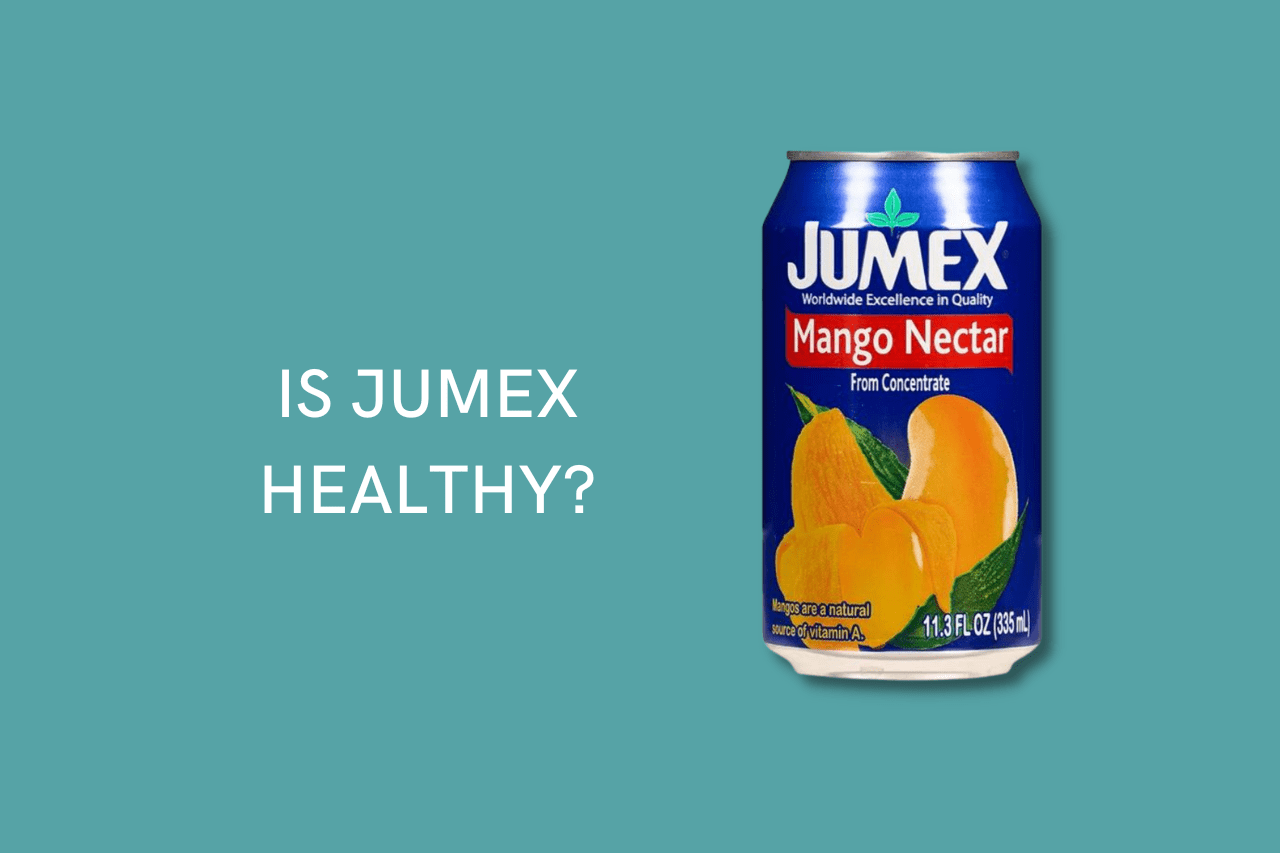
Growing up, you probably remember seeing those iconic Jumex cans at every family gathering, right? The mango, guava, strawberry—they’ve been part of Mexican and Latino culture since 1961. They taste amazing, especially ice-cold on a hot day or mixed into a michelada.
But here’s the million-dollar question everyone’s asking: Is Jumex actually healthy?
I’ll be straight with you—the answer isn’t what most people want to hear. While Jumex nectars taste incredible and bring back childhood memories, they’re not doing your health any favors. In fact, they’re packed with sugar, artificial sweeteners, and barely any real nutrients.
Before you feel guilty about that Jumex sitting in your fridge, let me break down exactly what’s in these drinks, why nutritionists are concerned, and what healthier alternatives you can try without giving up the flavors you love.
What Exactly is Jumex? A Quick Background
Jumex has been around for over 60 years, making it one of the most trusted juice brands in Mexico and beyond. You’ll find these nectars everywhere—corner stores, supermarkets, restaurants, and probably in your parents’ pantry right now.
The brand offers dozens of flavors, but the classics remain favorites: mango, guava, peach, strawberry, and apple. They’re affordable, taste good, and seem like a better choice than soda.
But here’s where things get tricky. Just because something tastes like fruit doesn’t mean it’s as healthy as eating actual fruit. Let’s dig into what you’re really drinking.
The Nutritional Reality: What’s Actually in a Can of Jumex?
Let me show you the numbers first, then we’ll talk about what they actually mean for your health.
| Nutrients | Mango | Peach | Guava | Apple | Strawberry |
|---|---|---|---|---|---|
| Calories | 170 | 150 | 160 | 150 | 140 |
| Fat(g) | 0 | 0 | 0 | 0 | 0 |
| Carbs(g) | 42 | 37 | 38 | 38 | 35 |
| Sugar(g) | 41 | 36 | 34 | 37 | 35 |
| Fiber(g) | 1 | <1 | 4 | <1 | 0 |
| Sodium(mg) | 55 | 55 | 55 | 65 | 75 |
Look at that sugar column. We’re talking 34-41 grams of sugar in a single can. To put this in perspective, the American Heart Association recommends no more than 25g of added sugar per day for women and 36g for men.
One can of Jumex Mango contains more sugar than a can of Coca-Cola (which has 39g). Yeah, you read that right.
What Are You Really Drinking? Breaking Down Jumex Ingredients
The ingredients list tells the real story. Here’s what goes into most Jumex nectars (though it varies slightly by flavor):
Main Ingredients:
- Water (the main ingredient, ironically)
- Fruit puree from concentrate
- Sugar
- High fructose corn syrup (HFCS)
- Citric acid
- Preservatives (erythorbic acid)
- Food coloring (beta carotene or carmine)
- Sucralose (artificial sweetener)
Let me explain the concerning ones:
Fruit Puree “From Concentrate”
This sounds healthier than it actually is. Basically, they take real fruit, squeeze out all the juice, remove the water through heating, ship the concentrated paste cheaply, then add water back later.
During this process, you lose a lot of the good stuff—vitamins, enzymes, and that fresh fruit flavor. That’s why they have to add back sugars and other ingredients to make it taste good again.
The Triple Sugar Threat
Here’s what makes Jumex particularly problematic—it doesn’t just have one type of sweetener. It has THREE:
- Natural fruit sugars (from the small amount of actual fruit)
- Added sugar (plain white sugar)
- High fructose corn syrup (the controversial one)
- Sucralose (yes, even more sweetener!)
Why add sucralose when there’s already so much sugar? Food companies do this to make products taste sweeter without adding even more calories. But research shows sucralose can mess with your gut bacteria and increase inflammation in your body.
That Bug-Based Coloring (Yes, Really)
If you’re vegan or just easily grossed out, here’s something to know: some Jumex flavors use carmine as a red coloring. Carmine comes from crushed cochineal insects.
Flavors containing carmine:
- Strawberry
- Apricot
- Strawberry Banana
It’s considered safe by food authorities, but many vegans and vegetarians avoid it for obvious reasons.
Why Jumex Isn’t as Healthy as You Think: 4 Big Problems
1. The Sugar Bomb That Rivals Soda
Let’s have an honest conversation about sugar. When you drink a can of Jumex, you’re consuming roughly the same amount of sugar as a regular soda—sometimes even more.
Sugar Comparison:
- Jumex Mango: 41g
- Coca-Cola (12 oz): 39g
- Pepsi (12 oz): 41g
- Jumex Apricot: 40g
“But wait,” you might be thinking, “isn’t fruit sugar better than soda sugar?”
Here’s the truth: your body doesn’t really care where the sugar comes from once it hits your bloodstream. Whether it’s from mango puree or high fructose corn syrup, too much sugar causes the same problems—weight gain, blood sugar spikes, increased diabetes risk, and energy crashes.
The high fructose corn syrup is particularly concerning. Multiple studies link HFCS consumption to obesity, type 2 diabetes, fatty liver disease, and chronic inflammation. It’s metabolized differently than regular sugar and may be even worse for your liver.
2. Where Did All the Nutrients Go?
Here’s what frustrates me most about these nectars: they’re missing almost everything that makes real fruit healthy.
Think about a fresh mango. You get fiber, vitamin C, vitamin A, folate, potassium, and antioxidants. It’s a nutritional powerhouse.
Now look at Jumex Mango nectar: 1g of fiber (barely any), zero protein, minimal vitamins, and just 2% of your daily iron. That’s it.
The heavy processing strips away most of the good stuff. You’re essentially drinking sugar water with a hint of fruit flavor.
3. Your Blood Sugar Will Hate You
Because Jumex is loaded with sugar and contains almost no fiber, it causes rapid blood sugar spikes. Here’s what happens:
- You drink the nectar
- All that sugar hits your bloodstream fast (no fiber to slow it down)
- Your blood sugar shoots up
- Your pancreas releases insulin to handle the sugar rush
- Your blood sugar crashes
- You feel tired and crave more sugar
Do this regularly, and you’re setting yourself up for insulin resistance, pre-diabetes, and eventually type 2 diabetes. Not to mention the energy roller coaster makes you feel exhausted.
4. It’s Way Too Easy to Overconsume
Here’s a sneaky problem with liquid calories: they don’t fill you up like solid food does. You can drink a 170-calorie can of Jumex in minutes and still feel hungry.
Compare that to eating a whole mango (about 100 calories) with all its fiber. You’d feel satisfied and wouldn’t reach for more food immediately.
This is why sugary drinks are one of the biggest contributors to weight gain and obesity. Your brain doesn’t register liquid calories the same way, so you end up consuming way more calories than you realize.
Is Jumex Good for Weight Loss? (Spoiler: Nope)
If you’re trying to lose weight, Jumex nectars should be off your shopping list. Here’s why:
The numbers working against you:
- 140-170 calories per can (empty calories with no satiety)
- Zero protein or fiber to keep you full
- Blood sugar spikes that trigger more cravings
- High fructose corn syrup that promotes fat storage
Let’s say you drink one can of Jumex daily. That’s 1,190 extra calories per week, or roughly 61,880 calories per year. That translates to about 17 pounds of potential weight gain annually—just from one daily drink.
Better weight loss drinks:
- Bai drinks (though check our review first)
- Water with fresh fruit slices
- Unsweetened iced tea
- Black coffee
- Sparkling water with a splash of real juice
Jumex vs. Soda: Which is Actually Worse?
People often ask me, “Is Jumex at least better than soda?”
The honest answer? They’re both bad, but in slightly different ways.
What they have in common:
- High sugar content (35-41g)
- Minimal nutritional value
- Both contribute to weight gain and diabetes risk
- Both cause blood sugar spikes
Where Jumex might be slightly “better”:
- Contains some natural fruit sugar (though your body doesn’t really care)
- Has trace amounts of vitamins and minerals (emphasis on “trace”)
- Lower acidity, so less risk of heartburn or tooth enamel erosion
Where soda might actually be “better”:
- Soda is usually more honest about what it is—nobody thinks Coke is healthy
- Jumex has the health halo effect; people think it’s nutritious when it’s not
- Some sodas now come in zero-sugar versions that are actually zero sugar
Bottom line: if someone forced me to choose, I’d pick Jumex over soda by a tiny margin. But really, you should be avoiding both as much as possible.
Does Jumex Have Caffeine? The Energy Question
No, Jumex nectars don’t contain any caffeine. None of the flavors do.
“But I feel energized after drinking one!” you might say. That’s the sugar rush talking. You’re getting a temporary energy boost from all that sugar hitting your system, followed by the inevitable crash 30-60 minutes later.
If you’re looking for actual sustained energy, you’re better off with:
- Water and a handful of nuts (hydration plus protein)
- Black coffee or tea (natural caffeine)
- A piece of whole fruit (natural sugars plus fiber)
Can Diabetics Drink Jumex? (Please Don’t)
If you have diabetes or pre-diabetes, Jumex nectars are one of the worst things you can drink. The combination of high sugar, high fructose corn syrup, and zero fiber will send your blood glucose levels through the roof.
Even if you’re trying to treat low blood sugar (hypoglycemia), there are better options that won’t overshoot your target range as badly.
Better options for diabetics:
- Water (always the best choice)
- Unsweetened tea or coffee
- Sugar-free flavored water
- Small amounts of 100% fruit juice (diluted with water)
- Diet sodas (occasionally, though not ideal)
If you miss the fruity flavor, try infusing water with actual fruit slices. You get the taste without the sugar bomb.
What About the “Light” or “Diet” Versions?
Some Jumex products are marketed as “light” or lower in sugar. While they contain fewer calories, they typically replace sugar with artificial sweeteners like sucralose or aspartame.
This creates a different set of concerns. Artificial sweeteners may:
- Disrupt your gut bacteria
- Increase sugar cravings
- Potentially affect insulin sensitivity
- Cause digestive issues in some people
They’re not the health solution you might hope for. You’re just trading one problem for another.
So What Should You Drink Instead? Real Alternatives
I get it—you love the taste of Jumex, and water seems boring. But there are genuinely healthier ways to enjoy fruity drinks without wrecking your health.
Best Alternatives to Jumex:
1. Make Your Own Fresh Juice (Occasionally) Blend real fruit with water in a blender. You keep all the fiber, control the sweetness, and know exactly what’s in it. Just remember—even 100% fresh juice should be consumed in moderation because it still contains natural sugars without the whole fruit’s satiety.
2. Infused Water Drop actual fruit slices into your water bottle: mango, strawberries, cucumber, mint, lime. You get subtle flavor without the sugar. Let it sit in the fridge overnight for maximum flavor.
3. Sparkling Water with a Splash Mix sparkling water with just a small splash (1-2 tablespoons) of 100% fruit juice. You get the fruity taste and fizz with a fraction of the sugar.
4. Coconut Water While it still contains natural sugars, coconut water offers electrolytes and minerals. Just choose unsweetened versions and drink in moderation.
5. Herbal Iced Teas Hibiscus tea (jamaica) is popular in Mexican culture and naturally fruity. Brew it strong, chill it, and add a tiny bit of honey if needed. Way healthier than Jumex.
6. Check Out These Alternatives:
- Izze drinks (sparkling juice with less sugar)
- Simply Lemonade (still sugary, but different profile)
- Simply Orange Juice (100% juice, no added sugar)
Can You Ever Drink Jumex? The Moderation Talk
Look, I’m not here to tell you that you can never enjoy Jumex again. Life is about balance, and food (or drinks) should be enjoyable too.
When Jumex might be okay:
- Special occasions or family gatherings (once in a while)
- As a treat, not a daily habit
- Mixed into a cocktail where you’d otherwise use simple syrup
- When you’re actually sick and need quick calories and sugar
How to minimize the damage if you do drink it:
- Split a can with someone (half the sugar, half the calories)
- Dilute it with water or ice
- Drink it with a meal, not on an empty stomach (slows sugar absorption)
- Don’t make it a daily habit
- Brush your teeth or rinse your mouth after (protect that tooth enamel)
Frequently Asked Questions About Jumex
Not really. It’s made from fruit puree concentrate with added water, sugar, and other ingredients. It contains some fruit, but it’s heavily processed and loaded with added sugars.
Strawberry has the lowest at 35g per can, but that’s still way too much sugar. Don’t let the “lowest sugar” label fool you into thinking it’s healthy.
Regular orange juice (even 100% juice) is also high in sugar, but at least it doesn’t have added sugars or high fructose corn syrup. Jumex is worse because of the added sweeteners and processing.
Because it’s engineered to taste good! The combination of sugar, HFCS, and sucralose creates an intensely sweet flavor that your brain loves. That’s exactly the problem—it’s too easy to overconsume.
While it won’t poison them, it’s not a good choice for kids. All that sugar can contribute to childhood obesity, dental cavities, and unhealthy taste preferences. Water or milk are much better options.
Yes, Jumex is a Mexican brand founded in 1961. It’s produced by Grupo Jumex, which also makes other beverage products.
The Bottom Line: Is Jumex Healthy?
Let me be crystal clear: No, Jumex is not healthy.
I know that’s not fun to hear, especially if you grew up drinking these or they’re part of your culture. But the facts don’t lie:
✗ Extremely high in sugar (34-41g per can)
✗ Contains high fructose corn syrup (linked to numerous health problems)
✗ Minimal nutritional value despite coming from fruit
✗ Causes blood sugar spikes and crashes
✗ Contributes to weight gain, obesity, and diabetes risk
✗ Contains artificial sweeteners and food colorings
✗ Some flavors aren’t vegan-friendly
Jumex is essentially flavored sugar water with a tiny bit of fruit. It’s marketed as a fruit nectar, which gives it a health halo it doesn’t deserve.
Does this mean you should feel guilty about that can in your fridge? No. Does it mean you should never drink it again? Also no. But it does mean you should treat it like what it is—a sugary treat, not a healthy beverage choice.
If you’re drinking Jumex daily, that’s a habit worth changing. Your body (and your waistline) will thank you.
Here are a few other posts that might also be helpful for you.