

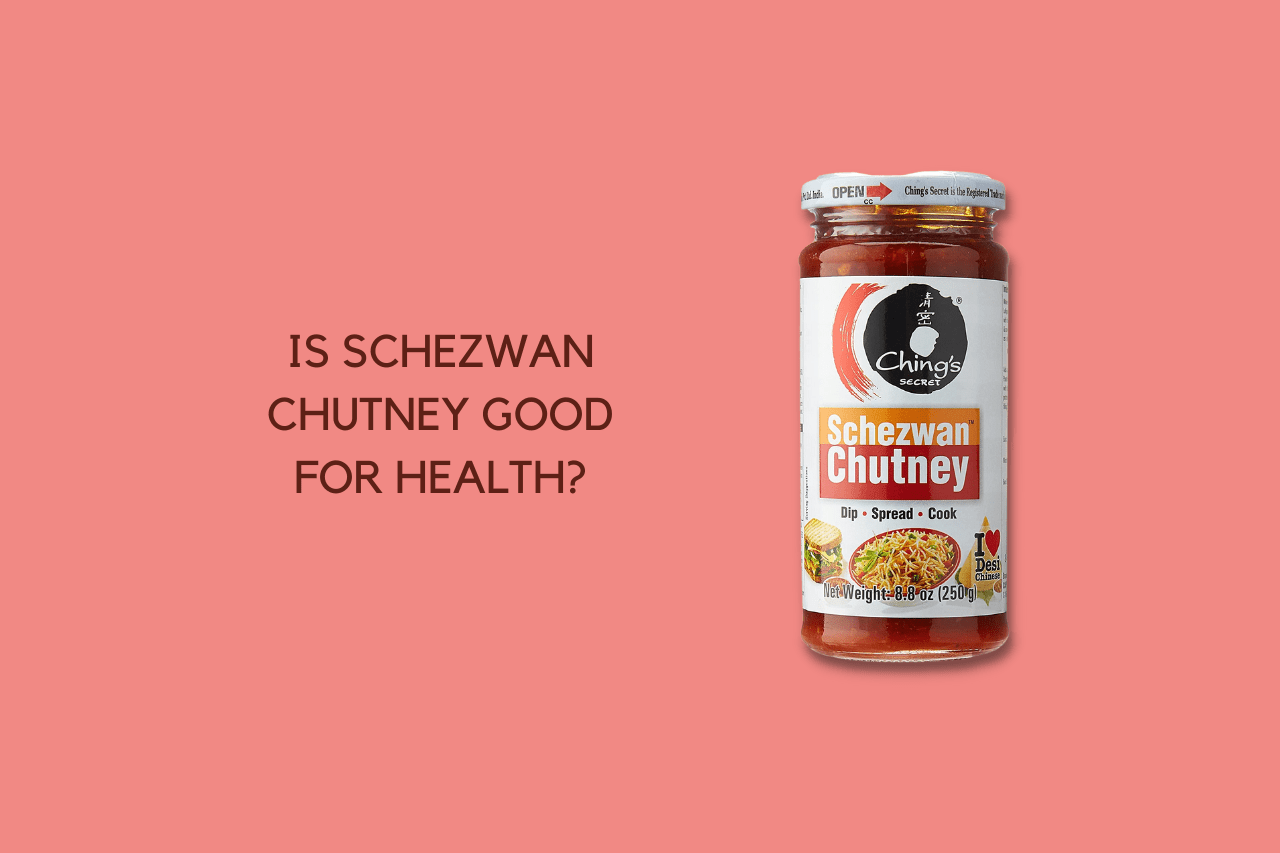
Picture this: You’re at your favorite momo stall, and the vendor asks, “Schezwan chutney chahiye?” Your mouth waters just thinking about that spicy, tangy kick that transforms ordinary momos into something magical.
Schezwan chutney has become the unofficial MVP of Indian street food. Whether it’s momos, fried rice, noodles, samosas, or even sandwiches—this fiery red condiment makes everything taste better.
But here’s the question that health-conscious Indians are asking: Is Schezwan chutney actually good for your health?
The short answer? Not really. While it adds incredible flavor to your food, store-bought Schezwan chutney is loaded with sodium, artificial additives, and preservatives that can cause serious health issues when consumed regularly.
Before you feel guilty about that bottle sitting in your fridge, let me break down exactly what’s in commercial Schezwan chutney, why it’s problematic, and how you can still enjoy this beloved condiment without wrecking your health.
What Makes Schezwan Chutney So Popular in India?
Schezwan chutney originated from Sichuan province in China, but Indians have completely adopted it as our own. Walk into any Indian household, and you’ll probably find a bottle of Ching’s or Maggi Schezwan chutney in the fridge.
Why we love it:
- Adds instant flavor to bland dishes
- Perfect balance of spicy, tangy, and slightly sweet
- Versatile (works as a dip, spread, or cooking ingredient)
- Long shelf life (thanks to those preservatives)
- Affordable and easily available
From college students making quick noodles to families spicing up weekend meals, Schezwan chutney has become a kitchen staple. But popularity doesn’t equal healthy.
What’s Actually Inside Store-Bought Schezwan Chutney?
Let’s look at what you’re really eating when you slather that chutney on your food.
Main ingredients in commercial Schezwan chutney:
- Water and dried glucose syrup (base)
- Ginger, garlic, onion, chili (the good stuff)
- Sunflower oil, salt, sugar
- Corn starch and thickeners
- Soy sauce powder
- Spices (white pepper, Sichuan pepper)
The problematic additions:
- Disodium-5′-Ribonucleotides (E635) – Flavor enhancer, basically a substitute for MSG
- Sodium benzoate (E211) – Preservative linked to health concerns
- Acetylated Distarch Adipate (E1422) – Chemical thickener
- Acetic acid (E260) – Acidifying agent
- High amounts of salt and sugar
See those E-numbers? They’re food additives approved for use, but that doesn’t mean they’re harmless, especially when consumed regularly.
Nutritional Reality: What’s in One Tablespoon?
Per serving (15g or 1 tablespoon):
- Calories: 21.5
- Carbs: 2.8g
- Sugar: 0.5g
- Fat: 1g
- Protein: 0.3g
- Sodium: 296mg (this is the problem)
At first glance, 21 calories seems harmless. But here’s the catch—who actually uses just one tablespoon? Most people use 2-3 tablespoons per meal, and suddenly you’re looking at 600-900mg of sodium in one sitting.
To put this in perspective: the American Heart Association recommends no more than 1,500mg of sodium per day for optimal heart health. Two tablespoons of Schezwan chutney give you nearly 40% of that limit.
4 Major Health Concerns With Schezwan Chutney
1. Dangerously High Sodium Levels
This is the biggest problem with store-bought Schezwan chutney. Just two tablespoons contain 572mg of sodium—that’s 38% of your daily recommended limit gone in one condiment.
Why this matters:
Indians already consume plenty of sodium through regular food—dal, sabzi, pickles, papad, processed snacks. Adding Schezwan chutney on top pushes your sodium intake into dangerous territory.
High sodium consumption is directly linked to:
- Hypertension (high blood pressure)
- Increased risk of heart disease and stroke
- Kidney damage over time
- Water retention and bloating
- Headaches and dehydration
If you already have high BP, kidney issues, or heart disease, consuming Schezwan chutney regularly is asking for trouble. Even healthy individuals should be cautious about sodium overload.
2. Digestive Problems From Excessive Spice
We Indians love our spicy food, but there’s a limit to what your digestive system can handle. Schezwan chutney is intensely spicy, and eating it frequently can cause:
- Acid reflux and heartburn – The spice irritates your esophagus
- Gastritis – Inflammation of the stomach lining
- Irritable Bowel Syndrome (IBS) – Spicy foods are common triggers
- Constipation or diarrhea – Depends on your gut sensitivity
- Stomach ulcers (in extreme cases with regular consumption)
If you notice burning sensations, stomach discomfort, or digestive issues after eating Schezwan chutney, your body is telling you something. Listen to it.
3. Questionable Flavor Enhancers
That addictive, “can’t stop eating” quality? That’s partly due to Disodium-5′-Ribonucleotides (E635), a flavor enhancer used as an MSG substitute.
While food authorities consider it “generally safe,” research suggests potential issues:
- Can trigger reactions in people with asthma
- May worsen symptoms in people with gout
- Some people report hyperactivity and sleep disturbances
- Can cause allergic reactions in sensitive individuals
Not everyone will experience these effects, but if you have pre-existing conditions like asthma or gout, this ingredient is worth avoiding.
4. Preservatives That Raise Red Flags
Sodium benzoate (E211) is the preservative that keeps your chutney from spoiling for months. Sounds convenient, right? Here’s the concerning part:
When sodium benzoate comes into contact with vitamin C (found naturally in peppers and chilies), it can convert into benzene—a known carcinogen.
Research also links sodium benzoate to:
- Increased inflammation in the body
- Oxidative stress (cellular damage)
- Allergic reactions (itching, swelling)
- Possible effects on ADHD symptoms in children
The amounts in a single serving might be small, but regular consumption adds up over months and years.
Is Schezwan Chutney Bad for Weight Loss?
Let’s be practical here—Schezwan chutney isn’t going to make or break your weight loss journey by itself. But it’s not helping either.
Why it’s not ideal for weight loss:
❌ High sodium causes water retention (makes you look bloated)
❌ Can trigger cravings for more salty, spicy foods
❌ Often eaten with unhealthy foods (fried snacks, noodles)
❌ Contains added sugars and oils
Some people claim spicy food boosts metabolism, and there’s some truth to that. But the artificial additives and excessive sodium in commercial Schezwan chutney cancel out any potential benefits.
Bottom line: If you’re trying to lose weight, minimize store-bought Schezwan chutney. Make your own healthier version instead (more on this below).
Can Pregnant Women Eat Schezwan Chutney?
This is a common question, and the answer is: it’s best to avoid it or consume very sparingly.
Why pregnant women should be cautious:
🚫 Excessive sodium can lead to pregnancy-induced hypertension
🚫 Too spicy can cause severe heartburn and acid reflux (already common in pregnancy)
🚫 Artificial additives may affect the developing baby
🚫 Risk of digestive issues when your system is already sensitive
If you’re pregnant and craving that Schezwan flavor, make a mild homemade version with natural ingredients. Your baby’s health is worth the extra effort.
Store-Bought vs. Homemade: The Game-Changer
Here’s where things get interesting. The health concerns I’ve mentioned apply mainly to store-bought, commercial Schezwan chutney. Homemade versions are an entirely different story.
Homemade Schezwan chutney benefits: ✓ You control the sodium levels
✅ No artificial preservatives or flavor enhancers
✅ Fresh ingredients with actual nutritional value
✅ Can adjust spice levels to your tolerance
✅ No hidden sugars or chemicals
✅ Better taste (yes, really!)
Making Schezwan chutney at home is surprisingly easy—just blend dried red chilies, garlic, ginger, vinegar, soy sauce, and a bit of oil. Store it in the fridge, and it stays fresh for 2-3 weeks.
The homemade version has actual health benefits from garlic (immunity boost), ginger (anti-inflammatory), and chilies (metabolism boost) without the chemical additives.
How to Enjoy Schezwan Chutney Without Ruining Your Health
I’m not here to tell you that you can never eat Schezwan chutney again. That’s unrealistic and honestly, no fun. Here’s how to enjoy it responsibly:
Smart Consumption Tips:
1. Limit frequency – Use it 2-3 times per week maximum, not daily
2. Control portions – Stick to 1 tablespoon per meal (yes, really measure it)
3. Don’t double up – If using Schezwan chutney, skip other high-sodium condiments
4. Pair wisely – Use it with healthier foods (grilled chicken, steamed momos) not fried junk
5. Stay hydrated – Drink extra water to help flush out excess sodium
6. Make your own – This is the best solution if you eat it regularly
Better Alternatives to Commercial Schezwan Chutney:
1. Homemade Schezwan sauce (adjust salt and spice to your preference)
2. Red chili garlic chutney (simple, no additives)
3. Green chutney (mint-coriander, much healthier)
4. Tomato-based hot sauce (lower sodium options available)
5. Fresh salsa (if you want tang without the sodium bomb)
If you love condiments and frequently consume packaged products, you might want to read about other popular items like Kissan Jam, Amul Lassi, or Frooti to make informed choices.
When You Should Completely Avoid Schezwan Chutney
Some people should skip store-bought Schezwan chutney entirely:
- If you have high blood pressure or heart disease
- If you have kidney problems (your body struggles to process sodium)
- If you’re pregnant or breastfeeding
- If you have acid reflux, GERD, or gastritis
- If you have asthma or gout (the flavor enhancer can trigger symptoms)
- If you’re on a low-sodium diet for any medical reason
For these groups, even occasional consumption can be problematic. The temporary taste isn’t worth the health consequences.
Frequently Asked Questions
Which brand of Schezwan chutney is healthiest?
Honestly? None of the commercial brands are particularly healthy. They all contain high sodium and preservatives. Your best bet is making it at home or choosing brands with shorter ingredient lists and lower sodium if you must buy packaged.
Can I eat Schezwan chutney every day?
No. Daily consumption will lead to excessive sodium intake, increasing your risk of hypertension, heart disease, and digestive issues. Treat it as an occasional condiment, not a daily staple.
Is Schezwan chutney good for diabetics?
It’s not particularly beneficial, but it’s not the worst either since sugar content is relatively low (0.5g per tablespoon). However, the high sodium is still a concern for diabetics who often have blood pressure issues. Use sparingly.
Does Schezwan chutney expire?
Yes. Commercial bottles typically last 6-12 months unopened. Once opened, refrigerate and use within 3-4 months. Homemade versions last 2-3 weeks in the fridge. If you see mold or smell anything off, throw it away.
Can kids eat Schezwan chutney?
Small amounts occasionally are fine for older kids (8+), but it’s too spicy and sodium-heavy for regular consumption. Young children and toddlers should avoid it entirely as their digestive systems are more sensitive.
Is Schezwan chutney vegan?
Most brands are vegan, but always check the label. Some versions contain fish sauce or other animal products. The soy sauce used is typically vegan-friendly.
The Final Verdict: Should You Eat Schezwan Chutney?
Let me give it to you straight: Store-bought Schezwan chutney is not a health food. It’s a condiment with significant health drawbacks when consumed regularly.
The combination of excessive sodium, artificial preservatives, and chemical flavor enhancers makes it problematic for anyone concerned about long-term health.
But here’s the balanced perspective:
Enjoying Schezwan chutney occasionally—maybe once or twice a week in small amounts—won’t ruin your health. The problems arise when it becomes a daily habit, when you use large quantities, or when you already have health issues like hypertension or digestive problems.
My honest recommendation:
If you genuinely love Schezwan chutney and eat it often, invest 30 minutes in making a homemade batch. You’ll get the flavor you crave without the chemical additives and excessive sodium. It tastes better, costs less in the long run, and actually has some health benefits from the fresh ingredients.
For those occasional momo cravings? Sure, use store-bought Schezwan chutney. Just don’t fool yourself into thinking it’s healthy, and definitely don’t make it a daily habit.
Your taste buds might protest initially, but your heart, kidneys, and digestive system will thank you for making smarter choices.
What’s your take? Do you still eat Schezwan chutney regularly, or have you switched to healthier alternatives? Share your thoughts below!
Related Health Articles:




What is the maximum limit of sodium benzoate in Schezwan chutney
The sodium benzoate limit in food products, including schezwan chutney, is typically 0.1% by weight of the food. As long as you consume the recommended amount of schezwan chutney, you are good to go.