
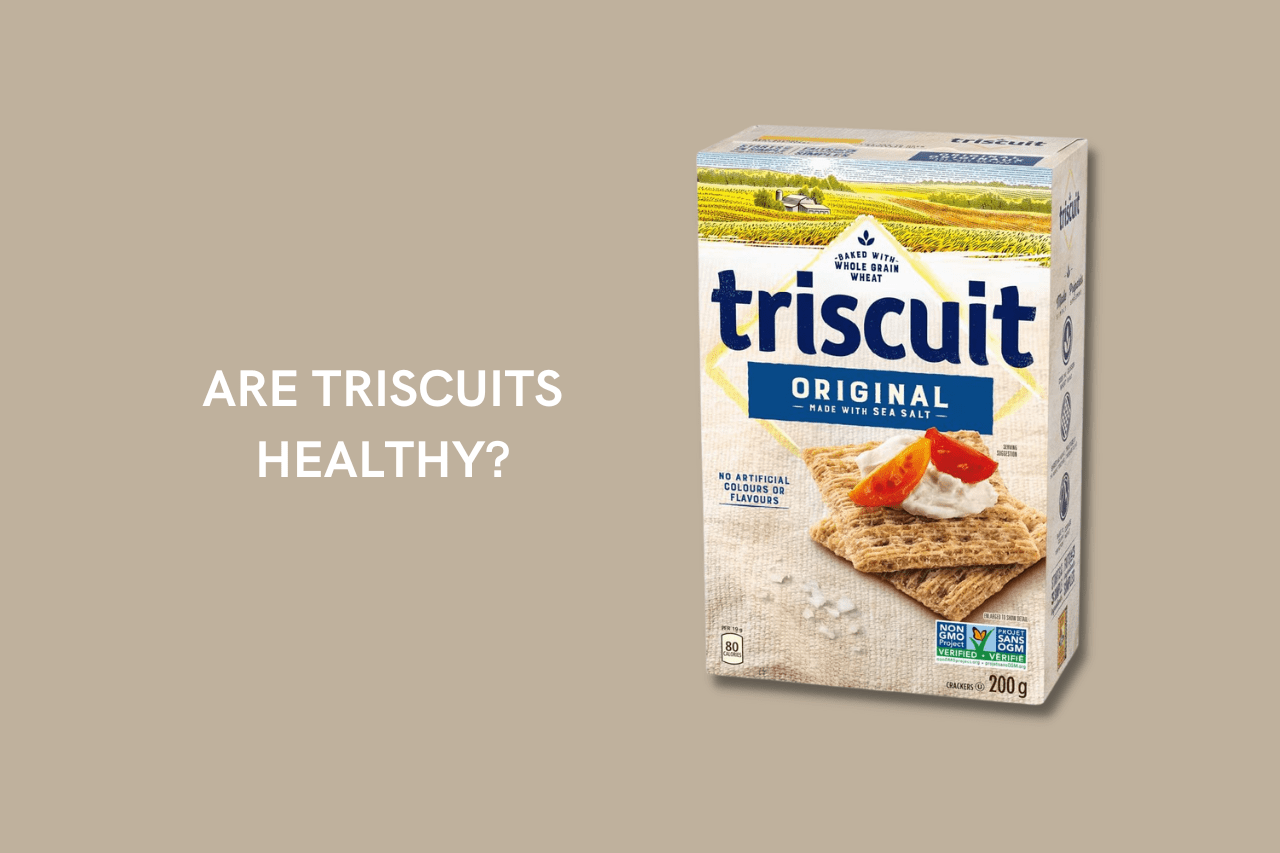
It’s 9 PM. You’re standing in your kitchen, staring into the pantry, and that familiar blue box is calling your name. You grab a handful of Triscuits, then another, and before you know it, you’ve demolished half the box while binge-watching your favorite show.
But then the question hits you: Are these actually good for me, or am I just fooling myself?
I mean, they’re crackers. Crackers are processed food. But Triscuits seem… different, right? The box says “whole grain.” They have that satisfying, substantial CRUNCH. They don’t taste like cardboard health food. And people have been eating them since 1902, so they must be doing something right.
I had the same questions, so I spent hours diving deep into nutrition labels, comparing ingredients across dozens of cracker brands, and researching what actually makes a cracker healthy versus just marketing hype.
Here’s everything I discovered about Triscuits – the good, the surprising, and what you actually need to know before your next snack session.
The Bottom Line Up Front
After analyzing all the flavors and comparing them to other crackers, Triscuits are one of the healthier cracker options available. They’re made from whole grain wheat, contain zero added sugar, provide decent protein and fiber, and use healthier fats. However, some flavors are moderate in sodium, and they’re still processed food (though minimally).
Think of them as the best choice in the cracker aisle, not necessarily the healthiest snack in your entire kitchen.
Now let me show you exactly what I found.
What Makes Triscuits Different From Other Crackers?
The Three-Ingredient Miracle
When I started comparing ingredient lists, this is what shocked me most:
Original Triscuits ingredients: Whole grain wheat, canola oil, sea salt.
That’s it. Three ingredients.
Compare that to Ritz Crackers: Unbleached enriched flour, canola oil, palm oil, sugar, high fructose corn syrup, leavening, salt, soy lecithin, malted barley flour, natural flavor.
Or Wheat Thins: Whole grain wheat flour, canola oil, sugar, cornstarch, malt syrup, refiner’s syrup, salt, invert sugar…
See the difference? While other crackers are loading up on multiple types of sugar and additives, Triscuits keep it simple.
The Whole Grain Advantage
Here’s something most people don’t realize: most crackers use enriched flour, not whole grain.
What’s the difference?
- Enriched flour = They strip away the nutritious parts of wheat (bran and germ), then add back some synthetic vitamins to “enrich” it
- Whole grain wheat = Contains all three parts of the wheat kernel (bran, germ, endosperm) with all the natural fiber, vitamins, and minerals intact
When I researched whole grain consumption, I found studies showing it’s associated with lower risk of:
- Cardiovascular disease
- High blood pressure
- Type 2 diabetes
- Inflammation
That’s a real nutritional advantage, not just marketing fluff.
That Iconic Woven Texture
Fun fact I discovered: Triscuits get their distinctive woven pattern from being “shredded” (hence the name – electricity was used to bake them originally, so they called them Tris-cuit). This process creates more surface area, which means more crunch and better topping-holding ability.
But I digress. Let’s get to the nutrition.
Breaking Down the Nutrition (All Flavors Analyzed)
I analyzed every major Triscuit flavor to see how they stack up. Here’s what one serving (6 crackers, 28g) typically contains:
| Flavor | Calories | Carbs (g) | Sugar (g) | Protein (g) | Fiber (g) | Sodium (mg) |
|---|---|---|---|---|---|---|
| Original | 120 | 20 | 0 | 3 | 3 | 160 |
| Reduced Fat | 110 | 21 | 0 | 3 | 4 | 150 |
| Hint of Sea Salt | 120 | 20 | 0 | 3 | 3 | 50 |
| Roasted Garlic | 120 | 20 | 0 | 3 | 3 | 130 |
| Cheddar | 120 | 20 | 0 | 3 | 3 | 140 |
What Impressed Me Most
Zero added sugar across all flavors. This is huge when you compare it to other crackers:
- Wheat Thins: 4g sugar per serving
- Ritz: 2g sugar per serving
- Goldfish: 1g sugar per serving
Decent protein and fiber. 3g of each might not sound like much, but for crackers, it’s actually solid. Most crackers have 1-2g of fiber at best.
Healthy fats. The 3.5g of fat in Triscuits comes from canola or olive oil – mostly monounsaturated and polyunsaturated fats (the good kind). Zero saturated fat in the original flavor.
What Concerned Me
The portion size reality. Let’s be real – who actually stops at 6 crackers? When I measured out a serving, I laughed. That’s like, three bites if you’re snacking mindlessly.
Most people probably eat 12-18 crackers in a sitting, which means:
- 240-360 calories
- 320-480mg sodium
- 6-9g protein and fiber (actually not bad!)
Sodium levels vary significantly. Some flavors like Original (160mg) and Reduced Fat (150mg) are moderate in sodium. That’s about 11% of the ideal daily limit (1,500mg per the American Heart Association).
But here’s the good news: The Hint of Sea Salt flavor has only 50mg – perfect if you’re watching sodium.
The Five Reasons Triscuits Are Actually Healthy
After all my research, here’s why Triscuits stand out as a legitimately healthier cracker choice:
1. Whole Grain Foundation
Unlike 80% of crackers in the supermarket that use enriched flour, Triscuits are built on whole grain wheat. This means you’re getting natural fiber, B vitamins, iron, magnesium, and antioxidants that survive the processing.
The daily recommendation is to make at least half your grains whole grains. A serving of Triscuits counts toward that goal.
2. Actually Good Fiber Content
3-4g of fiber per serving is legitimately impressive for crackers.
According to the American Heart Association, adults need 25-30g of fiber daily. One serving of Triscuits provides about 12-16% of that.
Why does this matter for a snack? Fiber:
- Keeps you feeling full longer
- Helps stabilize blood sugar (prevents the crash-and-crave cycle)
- Supports digestive health
- Can help lower cholesterol
Most crackers have 1g of fiber or less. Triscuits deliver 3-4x that amount.
3. Zero Added Sugar (A Rare Find)
In a world where even “healthy” crackers sneak in sugar, corn syrup, or honey, Triscuits have absolutely zero added sugar.
This makes them perfect for:
- People managing blood sugar or diabetes
- Anyone trying to reduce sugar intake
- Pairing with sweet toppings (jam, honey) without overdoing it
4. Heart-Healthy Fats
The fats in Triscuits come from canola oil or extra virgin olive oil (depending on flavor), which provide:
- Monounsaturated fats (like in avocados and nuts)
- Polyunsaturated fats (including omega-3s)
- Zero cholesterol
- Zero trans fats
- Minimal saturated fat
These are the fats that actually support heart health rather than harming it.
5. Minimal Processing (For a Cracker)
Yes, Triscuits are processed – they’re not whole wheat berries you’re chewing straight from the farm. But on the processing spectrum, they’re way closer to “minimally processed” than most packaged snacks.
Minimally processed: Triscuits (3 ingredients, recognizable)
Moderately processed: Wheat Thins (10+ ingredients, some additives)
Heavily processed: Ritz, Goldfish, Cheez-Its (long ingredient lists, multiple sugars, artificial flavors)
Are Triscuits Good for Specific Diets?
For Weight Loss
Triscuits can support weight loss when eaten in appropriate portions because:
- The protein and fiber promote satiety
- Zero added sugar prevents blood sugar spikes
- Whole grains help you feel satisfied
- They’re portion-controllable (if you have discipline!)
The catch? At 120 calories per serving and 20 calories per cracker, they’re calorie-dense. If you eat half a box while watching TV, you’ve consumed 600+ calories.
My take: Triscuits are a smart weight-loss snack if you pre-portion them (put 10-12 in a bowl, close the box). They’re NOT helpful if you eat straight from the box.
For Diabetes
Triscuits are a good choice for people with diabetes for several reasons:
- Made from whole grain wheat (lower glycemic impact than refined grains)
- Zero added sugar
- Good protein and fiber content (both help regulate blood sugar)
- Won’t cause the same blood sugar spike as white crackers or chips
That said, they do contain 20g of carbs per serving, so people with diabetes should:
- Count them in their carb budget
- Stick to appropriate portions
- Pair with protein (cheese, hummus, nut butter)
For Vegans
Some Triscuit flavors are vegan, others aren’t.
Vegan flavors:
- Original
- Reduced Fat
- Hint of Salt
- Roasted Garlic
- Garden Herb
- All the olive oil varieties (Rosemary, Sea Salt, Fire Roasted Tomato, Cracked Pepper)
NOT vegan:
- Cheddar
- Four Cheese & Herb
- Romano Cheese & Honey
- Tzatziki
- Rosemary & Jalapeño (contains milk)
For Gluten-Free Diets
Triscuits are NOT gluten-free. They’re made primarily from whole grain wheat, which contains gluten.
There are currently no gluten-free Triscuit varieties available. If you need gluten-free crackers, you’ll want brands like Mary’s Gone Crackers or Simple Mills.
The Sodium Situation: Is It a Problem?
This was one area where my research got nuanced. Let me break it down:
The Numbers
| Triscuits Flavor | Sodium (mg) per serving |
|---|---|
| Hint of Salt | 50 |
| Garden Herb | 115 |
| Roasted Garlic | 130 |
| Rosemary & Olive Oil | 130 |
| Cheddar | 140 |
| Reduced Fat | 150 |
| Original | 160 |
Context: The American Heart Association recommends no more than 1,500mg of sodium per day ideally (2,300mg absolute maximum).
One serving of Original Triscuits = 160mg = about 11% of your ideal daily limit.
Is This Bad?
For most people: Not really. 160mg from a snack is moderate and manageable if you’re mindful of sodium in your other meals.
For people with high blood pressure or on low-sodium diets: Choose carefully. The Hint of Salt variety with only 50mg is specifically designed for you.
The Sea Salt Factor
One interesting detail: Triscuits use sea salt rather than regular table salt. While sea salt isn’t dramatically different nutritionally (sodium is sodium), it is less processed and contains trace minerals.
Some people also find they can use less sea salt for the same flavor impact, though Triscuits have already done the seasoning for you.
Triscuits vs Other Popular Crackers: The Real Comparison
I compared Triscuits to the most popular competitors. Here’s what I found:
Triscuits vs Wheat Thins
Winner: Triscuits, by a landslide.
| Nutrient | Triscuits (28g) | Wheat Thins (31g) |
|---|---|---|
| Calories | 120 | 140 |
| Carbs | 20g | 22g |
| Sugar | 0g | 5g |
| Protein | 3g | 2g |
| Fiber | 3g | 3g |
| Sodium | 160mg | 200mg |
Triscuits have zero sugar while Wheat Thins pack 5g (from sugar, malt syrup, and refiner’s syrup). They also have less sodium, more protein, and fewer overall calories despite being satisfying.
Triscuits vs Ritz
Winner: Triscuits, no contest.
Ritz crackers are made with enriched flour (not whole grain), contain both sugar and high fructose corn syrup, and use palm oil (higher in saturated fat). They also have only 1g of fiber compared to Triscuits’ 3g.
Ritz are delicious, but they’re basically a buttery indulgence, not a health food.
Triscuits vs “Healthier” Crackers
Mary’s Gone Crackers: Gluten-free, organic, made with seeds. Slightly higher in fiber (3-4g) but also higher in calories (140-150) and fat. Great if you need gluten-free, but not necessarily “healthier” than Triscuits.
Simple Mills: Almond flour-based, grain-free, minimal ingredients. Higher in fat and calories (150 calories, 10g fat) due to nuts. Good for paleo/grain-free diets, but Triscuits are lower calorie.
Wasa: Very low calorie (35-45 per cracker), high fiber. More like crispy bread than crackers. Less versatile and satisfying than Triscuits.
My conclusion: Triscuits offer the best balance of nutrition, taste, versatility, and price among mainstream crackers.
The Portion Control Problem (Let’s Be Honest)
Here’s where I need to get real with you: the suggested serving size of 6 crackers is laughable.
When I actually measured out 6 Triscuits and put them on a plate, I thought, “This is an appetizer for my appetizer.”
The Reality Check
Most people eat:
- 10-12 crackers as a light snack
- 15-20 crackers with cheese or hummus
- Half the box while watching a movie (we’ve all been there)
So let’s do the math on what you’re actually consuming:
12 crackers (realistic snack):
- 240 calories
- 6g protein
- 6g fiber
- 320mg sodium
20 crackers (generous snacking):
- 400 calories
- 10g protein
- 10g fiber
- 530mg sodium
Is This Still Healthy?
12 crackers with cheese or hummus? Absolutely a nutritious snack. You’re getting protein, fiber, and satisfaction.
Half a box mindlessly? You’ve consumed 600+ calories of crackers. That’s a meal’s worth of calories for a snack.
My strategy: Pre-portion them into a bowl. Put the box away. This prevents the “I’ll just have a few more” spiral.
How to Eat Triscuits in the Healthiest Way
After all my research, here are my recommendations for maximizing the nutrition:
Best Topping Combinations
For protein + satisfaction:
- Hummus (adds protein, fiber, healthy fats)
- Natural peanut or almond butter
- Sliced cheese (sharp cheddar, goat cheese)
- Cottage cheese with everything bagel seasoning
For balanced nutrition:
- Avocado + tomato + sea salt
- Tuna salad
- Egg salad
- Smoked salmon + cream cheese
For lighter snacking:
- Salsa or guacamole
- Roasted red pepper spread
- Baba ganoush
- Greek yogurt-based dips
Smart Portion Strategy
- Pre-portion into small bowls (10-12 crackers max)
- Pair with protein or healthy fat to increase satiety
- Eat slowly and mindfully (enjoy that crunch!)
- Choose Hint of Salt if watching sodium
- Drink water alongside to feel fuller
When to Choose Triscuits vs Something Else
Choose Triscuits when:
- You want a crunchy, satisfying snack
- You need something portable and shelf-stable
- You’re craving something salty but want whole grains
- You’re entertaining and need a crowd-pleaser
Choose something else when:
- You want fresh, whole foods (reach for veggies, fruit, nuts)
- You need maximum protein (Greek yogurt, hard-boiled eggs)
- You’re genuinely hungry for a meal (crackers won’t cut it)
- You tend to binge on crunchy snacks (maybe not safe to have around)
Which Triscuit Flavor Is the Healthiest?
After analyzing all the varieties, here’s my ranking:
🥇 #1: Hint of Sea Salt
- Only 50mg sodium (lowest!)
- Same fiber, protein, zero sugar as original
- Perfect for sodium-watchers
- Simple 3-ingredient formula
🥈 #2: Reduced Fat
- Highest fiber (4g)
- Lower calories (110)
- Still zero sugar
- 150mg sodium (moderate)
🥉 #3: Original
- Classic 3-ingredient formula
- Zero sugar, 3g fiber, 3g protein
- 160mg sodium (moderate)
- Most versatile for toppings
Also Great:
- Garden Herb (115mg sodium, flavorful)
- Roasted Garlic (130mg sodium, delicious)
- Any of the olive oil varieties (healthy fats, lower sodium)
Least Healthy (but still better than most crackers):
- Cheddar (added dairy, more ingredients)
- Four Cheese & Herb (more processed, more sodium)
My Final Verdict After All This Research
Are Triscuits healthy? Yes, they’re one of the healthiest cracker options you’ll find in a mainstream grocery store.
Are they a “health food”? Not exactly – they’re still processed crackers, not kale.
Here’s where I landed:
Triscuits occupy a sweet spot: they’re made with quality ingredients (whole grain wheat, healthy oils, sea salt), contain zero added sugar, provide decent fiber and protein, and taste genuinely good. They’re not pretending to be a superfood, but they’re legitimately better than 90% of crackers on the shelf.
What makes them worth buying:
- Simple, recognizable ingredients
- Whole grain foundation
- Zero added sugar across all flavors
- Good source of fiber (3-4g)
- Versatile for toppings
- Heart-healthy fats
- Available in lower-sodium options
What to watch out for:
- Easy to overeat (portion control is key)
- Calorie-dense at 20 calories per cracker
- Some flavors higher in sodium (choose wisely)
- Still processed food (not whole food)
My personal recommendation: Keep Triscuits in your pantry as a go-to snack, but be smart about portions. Pre-portion into bowls, pair with protein-rich toppings, and treat them as a satisfying snack rather than mindless munchies.
If you’re choosing between Triscuits, Wheat Thins, Ritz, or Goldfish, grab the Triscuits every time. Your body will thank you.
And for what it’s worth? After all this research, I still enjoy Triscuits regularly. I just measure them out now instead of eating from the box.
Found this helpful? Check out my other snack analyses: