
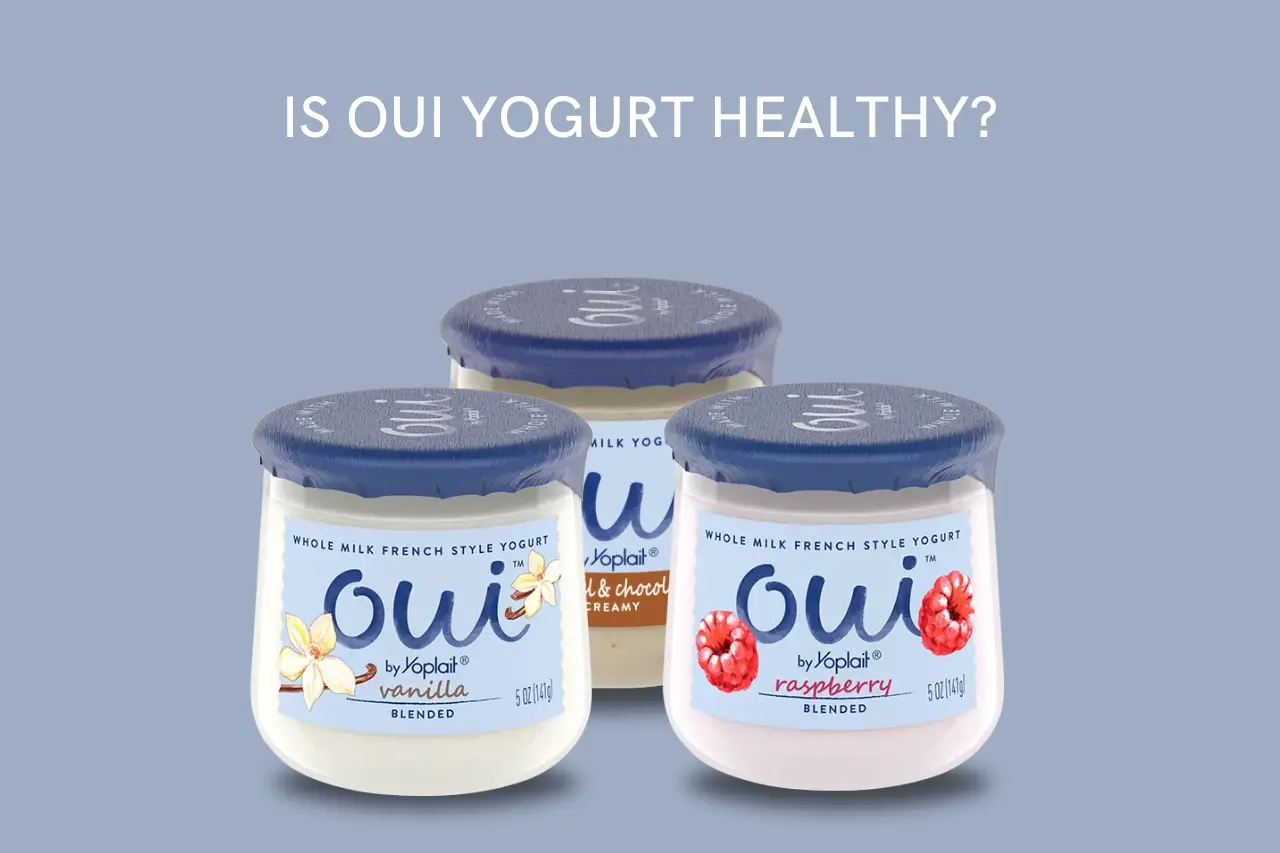
You’re wandering through the yogurt aisle when those adorable glass jars catch your eye. Oui by Yoplait—French-style yogurt with elegant packaging and flavors like vanilla, strawberry, and peach. The cream sits luxuriously on top, and there’s that little layer of fruit compote at the bottom waiting to be stirred in.
It looks fancy. It tastes indulgent. The glass jar feels premium in your hand.
But here’s the question: Is Oui yogurt actually healthy, or are you just paying extra for cute packaging and marketing that makes you feel sophisticated?
You’re not alone in wondering. Oui has developed a cult following among yogurt lovers who want something more elevated than basic Yoplait but don’t want to commit to the intensity of Greek yogurt. It sits in that interesting middle ground between everyday yogurt and special treat.
But when you check the nutrition label—especially that sugar content—things get a bit less charming.
The honest truth? Oui yogurt is made with quality ingredients and offers some genuine nutritional benefits (protein, calcium, probiotics), but it’s also high in sugar and calories. It’s more of an indulgent treat than a health food, despite the wholesome French-style branding.
In this review, I’ll break down everything you need to know about Oui yogurt—what’s actually in those pretty jars, how it compares to other yogurts, and whether it deserves a regular spot in your fridge.
What Exactly Is Oui Yogurt?
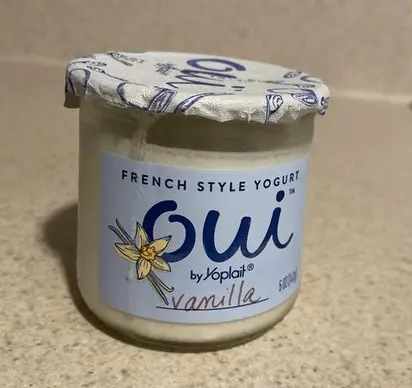
Oui is Yoplait’s premium line launched in 2017 to compete with other French-style and artisan yogurts. The name “Oui” literally means “yes” in French, playing into that European sophistication vibe.
What makes it “French-style”?
Unlike regular yogurt that’s cultured in large vats then portioned into containers, French-style yogurt is poured into individual jars FIRST, then cultured. This creates a thicker, creamier texture with a layer of cream that rises to the top.
Two main varieties:
1. Whole Milk Yogurt (the original):
- Made from whole milk and pasteurized cream
- Rich, creamy, full-fat experience
- 15+ flavors available
- 140-220 calories per jar
2. Dairy-Free Yogurt (coconut-based):
- Made with coconut cream for vegans/lactose-intolerant folks
- 5 flavors available
- Similar texture to dairy version
- 140-160 calories per jar
Popular flavors:
- Vanilla
- Strawberry
- Blueberry
- Raspberry
- Peach
- Mango
- Black Cherry
- Lemon
- Coconut (dairy-free)
- Strawberry (dairy-free)
The presentation is definitely part of the appeal—those reusable glass jars, the cream on top, the fruit at the bottom. It feels special. But does that translate to being healthier?
What’s Inside: Oui Yogurt Ingredients
Let’s look at what you’re actually eating.
Whole Milk Yogurt ingredients:
- Pasteurized whole milk (Grade A)
- Pasteurized cream
- Cane sugar
- Fruit (varies by flavor)
- Natural flavors
- Yogurt cultures (S. thermophilus, L. bulgaricus)
- Locust bean gum (natural thickener)
- Vegetable juice (for color in some flavors)
Dairy-Free Yogurt ingredients:
- Water
- Coconut cream
- Cane sugar
- Modified food starch
- Fruit (varies by flavor)
- Natural flavors
- Tricalcium citrate (calcium fortification)
- Malic acid (tartness)
- Vitamin D2
- Cultures
What’s NOT in Oui:
✅ No refined white sugar (uses cane sugar)
✅ No artificial flavors
✅ No artificial colors
✅ No preservatives
✅ No high fructose corn syrup
✅ Gluten-free
From an ingredient standpoint, Oui is legitimately clean. This isn’t fake health food with 30 unpronounceable chemicals. They’re using real, recognizable ingredients.
But—and this is important—clean ingredients doesn’t automatically mean healthy, especially when one of those main ingredients is a lot of sugar.
The Sugar Situation: Let’s Talk Numbers
This is where Oui’s healthy image starts to crack.
Sugar per 5 oz jar (141g):
- Whole milk yogurts: 17-19g total sugar
- Added sugar: 12-14g
- Natural milk sugar: 3-5g
- Dairy-free yogurts: 12-13g total sugar
- Added sugar: 11-12g
- Natural fruit sugar: 1-2g
Putting this in perspective:
The American Heart Association recommends:
- Men: Max 36g added sugar per day
- Women: Max 24g added sugar per day
One jar of Oui gives you:
- 30-38% of daily limit for men
- 44-56% of daily limit for women
That’s nearly HALF your daily sugar allowance for women, and we’re just talking about yogurt here—not dessert, not candy, but something marketed as a wholesome breakfast or snack.
But Wait—Isn’t Cane Sugar Better?
Here’s a common misconception: “It uses cane sugar, not refined sugar, so it’s healthier!”
Not really. Cane sugar is slightly less processed than white refined sugar, but your body doesn’t care. Once sugar hits your bloodstream, it all acts the same way—spikes insulin, provides empty calories, and contributes to the same health concerns.
The real problem isn’t the type of sugar—it’s the amount. 12-14g of added sugar in a single serving is significant, regardless of where it comes from.
For comparison:
- Plain Greek yogurt: 4-6g sugar (all natural, no added)
- Chobani Zero Sugar: 0g added sugar
- Siggi’s plain: 4-5g sugar (natural only)
- Oui: 17-19g sugar (12-14g added)
Oui is on the higher end of the yogurt sugar spectrum, closer to dessert yogurts than health-focused options.
Protein Content: The Missing Piece
One of the main reasons people eat yogurt is for protein. Here’s how Oui stacks up:
Protein per jar (141g):
- Whole milk yogurt: 5g
- Dairy-free yogurt: 1g
That 5g of protein is… okay. Not terrible, but not impressive either.
Protein comparison per 100g:
- Oui yogurt: 3.5g
- Plain low-fat yogurt: 5-7g
- Low-fat Greek yogurt: 8-10g
- Ratio yogurt: 15g+
Greek yogurt absolutely crushes Oui in the protein department. If you’re eating yogurt for protein (muscle building, satiety, blood sugar control), Oui isn’t your best choice.
The dairy-free version is even worse with only 1g protein. Coconut just doesn’t pack the protein power of dairy, and Oui doesn’t compensate by adding plant proteins.
The Saturated Fat Question
Oui yogurt is made from whole milk and cream, which means it’s higher in fat—specifically saturated fat.
Saturated fat per jar (141g):
- Whole milk yogurt: 4.5-8g (30-60% of daily limit)
- Dairy-free yogurt: 5-6g
Most yogurts sold in the US are low-fat or fat-free. Oui goes the opposite direction, embracing full fat for that creamy, indulgent texture.
Is this a problem?
Here’s where nutrition science gets nuanced. For decades, we’ve been told saturated fat is bad for your heart. But recent research shows dairy saturated fat might not be as harmful as previously thought.
Studies have found that full-fat dairy like yogurt either has neutral or even beneficial effects on heart health, possibly due to the combination of nutrients (calcium, probiotics, etc.) working together.
The dairy-free version uses coconut cream, which is also high in saturated fat. However, coconut contains mostly lauric acid and medium-chain fatty acids (MCTs) that behave differently in the body than animal fats—potentially raising good cholesterol and providing quick energy.
The bottom line on fat: The saturated fat in Oui probably isn’t as concerning as the sugar content, especially if you’re otherwise healthy. But if you have high cholesterol or heart disease, you might want to stick with low-fat yogurt options.
The Good Stuff: What Oui Gets Right
Despite the sugar concerns, Oui does offer some legitimate nutritional benefits.
1. Good Source of Calcium
Calcium per jar: 130-190mg (13-19% of daily needs)
Calcium is crucial for bone health, muscle function, and nerve signaling. While this isn’t a massive amount, it’s a decent contribution to your daily intake.
The dairy-free version is fortified with tricalcium citrate to match the calcium content of dairy yogurt, which is a nice touch.
2. Contains Probiotics
Oui contains live active cultures—specifically S. thermophilus and L. bulgaricus—which are beneficial bacteria for gut health.
Probiotic benefits:
- Supports digestive health
- Boosts immune system
- May help lower cholesterol
- Improves nutrient absorption
- Maintains healthy gut bacteria balance
While Greek yogurt typically has more diverse strains and higher concentrations of probiotics, Oui still offers some gut health benefits.
3. Low in Sodium
Sodium per jar: 65-130mg (less than 10% of daily limit)
This is genuinely low and makes Oui suitable for people watching their sodium intake. Most yogurts are naturally low in sodium, but it’s still worth noting.
4. Fortified with Vitamin D (Dairy-Free Only)
The dairy-free varieties include 10% of your daily vitamin D needs. Vitamin D is crucial for calcium absorption, immune function, and mood regulation.
It’s disappointing that the whole milk versions don’t include this, but at least the plant-based options are fortified.
Is Oui Yogurt Good for Weight Loss? (Not Really)
If you’re trying to lose weight, Oui yogurt isn’t your best ally.
Why it’s problematic for weight loss:
❌ High sugar content triggers insulin spikes and fat storage
❌ 140-220 calories per jar adds up quickly
❌ Low protein won’t keep you satisfied
❌ High sugar, low protein combo leads to cravings 1-2 hours later
❌ Easy to justify extra servings (“It’s just yogurt!”)
The realistic take:
Can you eat Oui yogurt while losing weight? Sure, if you account for those calories in your daily budget and don’t eat it every day.
But there are much better yogurt options for weight loss—high-protein, low-sugar varieties like Greek yogurt or Ratio yogurt that actually keep you full and stabilize blood sugar.
If you love Oui, save it for special occasions (once a week as a treat) and choose plain Greek yogurt with fresh fruit for everyday eating.
How Does Oui Compare to Other Premium Yogurts?
Let’s see how Oui stacks up against the competition.
Oui vs. Noosa Yogurt
Both are premium, full-fat, indulgent yogurts. Noosa actually has MORE sugar (25-30g per serving) than Oui, making Oui the slightly better choice. However, Noosa has more protein (12g vs 5g). Check our full Noosa review for details.
Winner: Oui (barely, due to less sugar)
Oui vs. Yoplait Original
Same parent company, totally different products. Yoplait Original has similar sugar (17-19g) but is low-fat. Oui is higher quality with better ingredients and real cream.
Winner: Oui (cleaner ingredients, better texture)
Oui vs. Chobani Zero Sugar
Chobani Zero Sugar has—you guessed it—zero added sugar and way more protein (11g). It uses stevia for sweetness. If you prioritize health over indulgence, Chobani wins easily.
Winner: Chobani Zero Sugar (for health), Oui (for taste)
Oui vs. Siggi’s
Siggi’s is Icelandic-style (similar to Greek) with minimal sugar (4-9g) and high protein (12-15g). It’s tangier and less sweet, but objectively healthier.
Winner: Siggi’s (nutritionally), Oui (if you want dessert-like sweetness)
Oui vs. So Delicious (Dairy-Free)
Both offer coconut-based dairy-free options. So Delicious has similar sugar content but varies by product line. Oui’s dairy-free is slightly better with probiotics and fortification.
Winner: Oui dairy-free (slightly)
Bottom line: Oui sits firmly in the “indulgent premium yogurt” category. It’s not the healthiest option, but it’s better than dessert yogurts like Yoplait Whips or YoCrunch.
Special Dietary Considerations
Is Oui yogurt gluten-free?
Yes! All Oui yogurts are gluten-free with no wheat-based ingredients. Safe for people with celiac disease or gluten sensitivity.
Is Oui yogurt vegan?
The whole milk varieties are not vegan (they contain dairy). The dairy-free coconut-based varieties are technically vegan, though some strict vegans avoid yogurt cultures. Oui considers their dairy-free line vegan-friendly (except strawberry flavor which may have processing concerns).
Is Oui yogurt keto-friendly?
No. With 17-25g of carbs per jar (mostly from sugar), Oui will kick you out of ketosis. Keto dieters should choose plain Greek yogurt or specifically keto-formulated yogurts.
Can diabetics eat Oui yogurt?
Not recommended. The combination of high sugar (17-19g) and low protein (5g) will spike blood sugar significantly. Better options exist for managing diabetes.
Is Oui yogurt good for kids?
It’s safe for kids, but the sugar content is concerning for daily consumption. As an occasional treat (once or twice a week), it’s fine. For everyday eating, choose plain yogurt and add fresh fruit.
The Reusable Glass Jar Dilemma
Let’s address the elephant in the room: those glass jars.
Many people buy Oui specifically because they love the reusable containers. You can use them for:
- Overnight oats
- Chia seed pudding
- Spice storage
- Desk organizers
- Mini planters
- Candle holders
The environmental perspective:
Glass is recyclable and reusable, which sounds great. However, glass is also heavier to transport (more fuel emissions) and requires more energy to produce and recycle than plastic.
If you genuinely reuse every jar for years, the environmental impact balances out. But if you’re just accumulating them in a cabinet or tossing them in recycling, you’re not really helping the planet—you’re paying a premium for packaging.
The honest take: Don’t let cute jars be the main reason you buy expensive yogurt with high sugar content. If you want reusable glass containers, buy actual storage jars once and fill them with healthier yogurt.
Frequently Asked Questions
How many calories are in Oui yogurt?
Whole milk varieties: 140-220 calories per 5 oz jar. Dairy-free varieties: 140-160 calories per jar.
Can I eat Oui yogurt every day?
Not recommended due to the high sugar content (12-14g added sugar per jar). If you eat it daily, you’re consuming a significant portion of your daily sugar allowance from yogurt alone. Save it for 2-3 times per week at most.
Which Oui flavor has the least sugar?
All flavored varieties have similar sugar content (17-19g). Oui doesn’t offer a plain, unsweetened option. If you want lower sugar, you’ll need to choose a different brand.
Does Oui yogurt need to be refrigerated?
Yes, always. It contains live cultures and dairy/coconut cream that will spoil at room temperature.
How long does Oui yogurt last after opening?
The jar is single-serve, so you should eat it all once opened. If you somehow don’t finish it, cover tightly and refrigerate for up to 2 days max.
Is Oui yogurt pasteurized?
Yes, the milk and cream are pasteurized for food safety. The cultures are added after pasteurization.
Why is Oui yogurt so expensive?
You’re paying for premium ingredients (whole milk, real cream), French-style production method (individual jar culturing), glass packaging, and brand positioning. It typically costs $1.50-2.00 per jar vs. $0.50-1.00 for regular yogurt.
The Final Verdict: Is Oui Yogurt Healthy?
Let me be straight with you: Oui yogurt is not a health food. It’s an indulgent treat.
It’s better than eating a bowl of ice cream or a candy bar, but “better than dessert” doesn’t equal “healthy.”
The reality:
- High in added sugar (12-14g per jar)
- Low in protein (only 5g, or 1g for dairy-free)
- High in saturated fat (though potentially less harmful than feared)
- Calorie-dense (140-220 calories)
- Won’t keep you satisfied or full
However, Oui does have positives:
✅ Made with natural, quality ingredients
✅ No artificial colors, flavors, or preservatives
✅ Contains probiotics for gut health
✅ Good source of calcium
✅ Low in sodium
✅ Gluten-free
✅ Offers dairy-free options
My honest recommendation:
Stop thinking of Oui as “healthy French yogurt” and start thinking of it as “yogurt-based dessert.” That’s what it actually is.
If you love Oui, enjoy it as an occasional treat (1-2 times per week maximum). Choose it when you want something indulgent and satisfying, not when you’re looking for nutritious fuel.
For everyday eating—breakfast, snacks, post-workout—choose Greek yogurt (plain or lightly sweetened), Chobani Zero Sugar, or other high-protein, low-sugar options. Add your own fresh fruit for natural sweetness.
Your body deserves real nutrition most of the time. Oui can be part of a balanced diet, but it should be the exception, not the daily rule.
Take Action: Smarter Yogurt Choices
Ready to make better decisions about yogurt?
- Be honest about what Oui is – It’s dessert-quality yogurt, not health food
- Save it for special occasions – 1-2 times per week maximum
- Choose plain Greek yogurt daily – Add your own fruit and honey if needed
- Compare nutrition labels – Don’t assume all yogurt is equally healthy
- Watch portion sizes – Just because it comes in a small jar doesn’t mean it’s low-calorie
Small changes in your daily yogurt choice can significantly impact your sugar intake over time. Make the swap where it matters most.
What’s your take on Oui yogurt? Do you think the taste justifies the sugar content? Share in the comments!
Related Yogurt Reviews: